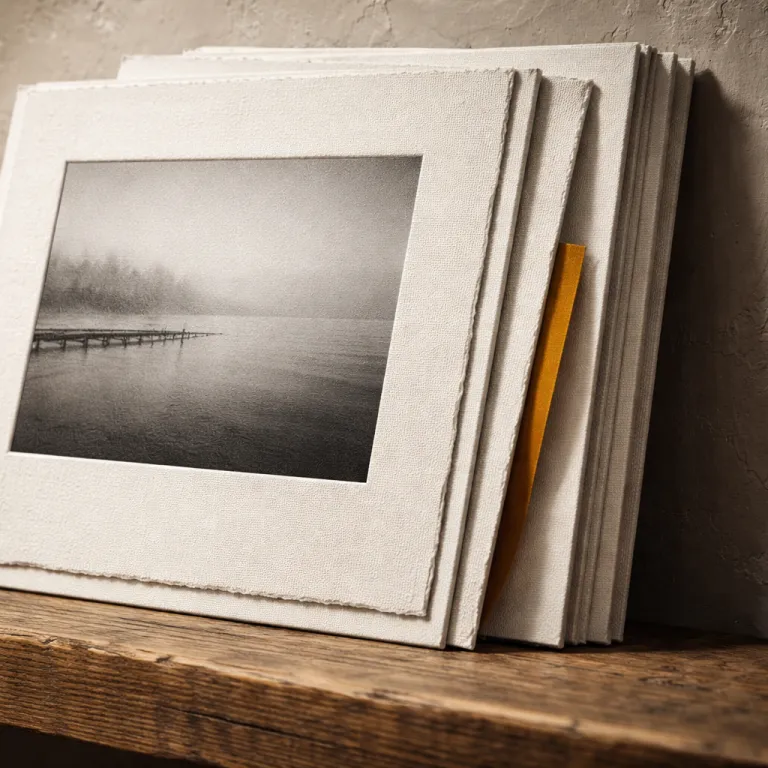
Why collecting photography editions belongs in a serious art collection
Collecting photography editions is not a consolation prize for people priced out of painting. When you buy a limited edition fine art photograph printed to museum standards, you are entering an art market with clear rules, deep price data, and a long record of treating photographic prints as serious work. For luxury artwork lovers, a carefully chosen print can be the first piece that truly anchors an art collection at home.
Think of each edition as a contract between artist and collectors that defines scarcity, image size, and long term value. A limited edition of 5 large photographic prints at 120 × 180 cm will behave very differently on the secondary art market from an edition of 100 smaller prints image at 30 × 40 cm, even when the image is identical. The number of prints, the presence of artist proofs, and whether a piece is signed and numbered all quietly play a role in how the work is perceived and priced over time.
Benchmark names such as Andreas Gursky, Cindy Sherman, and Jeff Wall established that art photography can command major prices when the edition structure is disciplined. Their museum level work shows how a single image can exist as several limited editions, with different image sizes and paper types, yet remain coherent as fine art. When you are collecting, you are not just buying a photograph, you are buying into the discipline of how that photograph printed object was released into the world.
For a first serious piece, focus on quality rather than fame. A mid career artist with a strong gallery and a clear edition fine structure will usually be a better long term partner than a speculative name with chaotic prints and inconsistent certificates. Photography editions in the 1 000 to 15 000 dollar band allow you to acquire a work where the craft, the paper, and the framing can stand beside blue chip art without apology.
One practical advantage of collecting photography editions is the clarity of documentation. A proper certificate of authenticity should state the edition size, the number of prints, the presence of any artist proof or hors commerce impressions, the exact image size, and the printing process used. When that certificate authenticity is paired with a signed numbered verso or margin, you have a paper trail that is often more precise than what exists for many paintings.
How editions, artist proofs, and documentation shape value
Edition size is the first number every serious buyer should learn to read. A limited edition of 8 plus 2 artist proofs signals a very different scarcity profile from an open edition of photographic prints that can be produced indefinitely. When you are collecting photography editions, you are effectively deciding how many other collectors will share that image on their walls.
Artist proofs, usually marked AP, sit slightly outside the main edition but still belong to the same body of work. An artist proof is traditionally kept by the artist, yet in practice many artists and galleries release some artist proofs to the art market at a premium once the main limited editions sell through. For a first time buyer, an artist proof can be tempting, but you should understand that some museums and conservative collectors still prefer a regular signed numbered print from the core edition.
Hors commerce impressions, often marked HC, are non commercial prints historically used for exhibitions or printers. In contemporary art photography, HC prints sometimes enter private collections, but their status can be ambiguous, so they require extra care with documentation. When you are building an art collection that may later be valued or sold, clarity around whether a piece is editioned, an artist proof, or hors commerce will matter to future appraisers.
Every serious collector guide to photography stresses the importance of paperwork. A robust certificate authenticity should be issued either by the artist studio, the primary gallery, or a reputable publisher such as Gagosian or Pace Prints, and it should match the signed numbered details on the print exactly. If you are buying on the secondary market, ask for invoices, condition reports, and any previous sale records, because provenance in photography is built from these small but cumulative documents.
Condition is the other half of the equation, and it is more unforgiving with photography than with many paintings. Scratches on the surface, fading from poor framing, or a trimmed margin that cuts into the signature will all reduce value, even when the image itself looks fine from a distance. For a deeper sense of how professionals weigh these factors across media, it is worth reading a detailed analysis of how auction houses value a painting, because the same logic of condition, rarity, and demand quietly shapes photography too.
Three mid career photographers whose editions justify a first serious purchase
To make collecting photography editions concrete, it helps to name actual artists. The sweet spot for a first serious piece is a mid career photographer with museum shows, a disciplined edition structure, and limited editions still available under 10 000 dollars. You are looking for work where the photograph printed object has as much presence as the image itself.
On the documentary side, consider someone like Alec Soth, whose large format images of American life have become staples of contemporary fine art photography. His limited edition prints, often in runs of 10 to 30 with a small number of artist proofs, are usually available through galleries such as Fraenkel or through his studio, and they offer a strong balance between poetic image and rigorous print quality. A typical piece might be a 50 × 60 cm image size pigment print on archival paper, signed numbered on the verso, with a clear certificate authenticity that will reassure both you and any future buyer.
For staged photography that edges toward cinema, look at Gregory Crewdson, whose elaborately lit suburban scenes have long been compared to Jeff Wall. Crewdson’s editions tend to be tighter, often 6 to 10 prints image per size, with artist proofs reserved for the artist and key institutions, which supports a more controlled secondary market. Prices for mid sized works usually sit in the 8 000 to 15 000 dollar band, but smaller image sizes or earlier series can sometimes be found closer to the 5 000 mark, especially if you are willing to buy from a reputable dealer on the secondary market.
Landscape collectors might gravitate toward someone like Elger Esser, whose luminous river and coastal scenes sit in dialogue with Andreas Gursky yet remain more accessible in price. Esser’s edition fine structure is usually transparent, with clear numbers of prints, a small cluster of artist proofs, and meticulous attention to paper and inks that rewards close viewing. When you hang one of these works, the piece artist relationship becomes obvious, because the surface of the print carries as much meaning as the photographed landscape.
Each of these artists operates in a different register, but all treat the photographic print as a primary fine art object rather than a reproduction. That attitude matters when you are collecting, because it shapes how carefully the work is printed, signed, and documented. If you are interested in how connoisseurship crosses from photography into painting, especially around gesture and detail, a close reading of how experts evaluate the human hand in oil painting can sharpen your eye for photographic nuance as well.
Print quality, framing, and how to protect value at home
Luxury collectors often underestimate how much framing can add or subtract from the value of a photograph. A fine art print is a vulnerable object, and collecting photography editions means accepting some conservation responsibilities from the moment the work enters your home. The good news is that museum level protection is entirely achievable with the right materials and a disciplined framer.
Start with the print itself, because not all photographic prints are created equal. Giclée printing on acid free paper using archival pigment inks can deliver spectacular color accuracy and a projected longevity of over one hundred years under proper conditions, which is why so many serious artists and publishers rely on it. When you are assessing a piece, ask explicitly how the photograph printed object was produced, and make sure the certificate authenticity or invoice records the paper type, ink technology, and any special coatings.
Framing is your next line of defense, and UV glazing is non negotiable for serious collectors. High quality glazing can block up to 99 percent of ultraviolet light, dramatically slowing fading and paper degradation, while still presenting the image with clarity and minimal color shift. Pair that with acid free mounts, archival tapes, and a frame that allows the print to breathe, and you will have a display that respects both the art and the investment.
Display decisions matter as much as materials. Avoid hanging limited editions in direct sunlight, above radiators, or in bathrooms where humidity swings can warp paper and encourage mold, because these environmental stresses will show up in any future condition report. When you are collecting, think of each piece as a guest that needs a stable, calm room, and rotate works occasionally if a particular wall receives strong seasonal light.
Finally, keep every scrap of documentation related to your art photography purchases. Store certificates, invoices, framing receipts, and condition notes in a dedicated file, ideally with digital scans backed up securely, because this paper trail will guide future valuations and potential sales. If you ever decide to have a work appraised or insured, the combination of visible print quality and invisible documentation will determine how confidently professionals can place your piece within the broader art market.
Reading the photography market and spending 5 000 dollars wisely
Photography has matured into a distinct segment of the art market with its own rhythms. Over the last several years, blue chip names such as Andreas Gursky, Cindy Sherman, and Jeff Wall have largely held their ground at the top, while many emerging photographers have seen prices compress as edition sizes expanded and speculative demand cooled. For a new collector, this is good news, because it shifts attention back to quality of work and discipline of editions rather than hype.
Mid career photographers in the 1 000 to 15 000 dollar band now offer some of the most rational value in contemporary fine art. You can acquire a signed numbered limited edition with a clear certificate authenticity, strong provenance, and museum level print quality for a fraction of what an equivalent painting might cost, yet with similar intellectual and emotional weight. Publishing houses such as Gagosian and Pace Prints, along with direct from studio sales, have professionalized how editions are released, which helps collectors compare offers and avoid poorly structured releases.
With a budget of around 5 000 dollars, you face a specific decision tree. One path is to buy a smaller image size from a more established artist, accepting a modest print that still carries the weight of a recognized name and a proven secondary market. The other path is to back a slightly younger artist at a larger scale, prioritizing the physical presence of the piece and the relationship you can build with the artist or gallery over immediate resale metrics.
Whichever route you choose, insist on clarity about edition size, number of prints, and any artist proofs or hors commerce impressions that exist for that image. Ask how many prints image have already sold, whether any artist proof has entered private hands, and how the gallery expects the market for that work to evolve, because these details will quietly play role in future valuations. For structured guidance on how professionals weigh such factors, resources that explain fine art print valuation in detail can be invaluable when you are calibrating your own instincts.
In the end, collecting photography editions is about aligning your eye, your budget, and your tolerance for risk. A carefully chosen piece artist relationship, backed by disciplined documentation and thoughtful framing, can hold its own beside paintings and sculpture in any serious home. The real luxury is not the certificate on file, but the image that earns its place on your wall.
FAQ
How many prints should a limited edition photograph have for serious collectors ?
For most serious collectors, a limited edition of 5 to 15 prints per image size, plus a small number of artist proofs, strikes a good balance between scarcity and accessibility. Larger editions of 30 to 50 can still be acceptable when the artist is transparent and the price reflects the higher supply. Once editions climb beyond that, you should expect lower long term scarcity unless the artist has very strong institutional demand.
Are artist proofs more valuable than regular edition prints ?
Artist proofs can command a premium when they are genuinely scarce and retained by the artist or key institutions, but value depends heavily on context. Some collectors prefer regular signed numbered prints from the main edition because their status is clearer and more widely understood. If you consider an artist proof, make sure the certificate authenticity and gallery documentation explain how many exist and how they relate to the core edition.
What printing methods should I look for in fine art photography ?
For contemporary fine art photography, giclée pigment printing on acid free paper is a strong standard because it combines excellent color accuracy with long term stability. Traditional processes such as gelatin silver or chromogenic prints also remain respected when executed to a high standard and documented clearly. Whatever the method, insist that the photograph printed details, paper type, and inks are recorded in writing.
How important is framing for the value of a photographic print ?
Framing is critical, because poor materials or exposure to light can permanently damage a print and reduce its value. Museum level framing with UV glazing, acid free mounts, and archival tapes protects both the image and the paper, while also signaling to future buyers that the work was cared for properly. When in doubt, budget at least several hundred dollars for framing a significant piece, and treat it as part of the total acquisition cost.
Where should I buy my first limited edition photograph ?
For a first purchase, primary galleries that regularly handle photography, reputable publishers such as Gagosian or Pace Prints, and direct from studio sales are usually the safest options. These channels are more likely to provide accurate edition information, robust certificates, and long term support if questions arise. Once you are more experienced, carefully vetted secondary market dealers and auction houses can offer opportunities, but they require a stronger grasp of condition and provenance.
