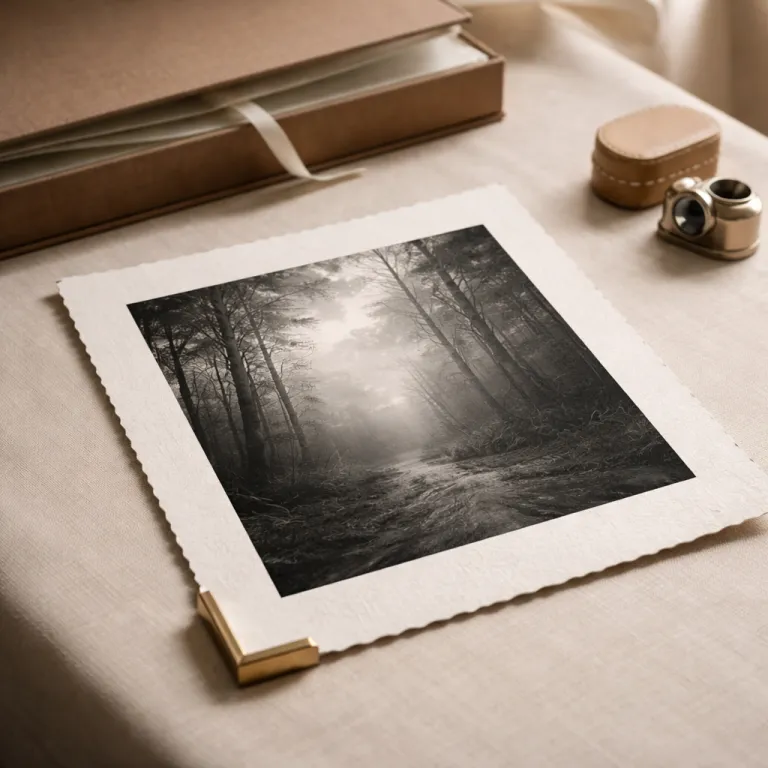
The quiet power of investing in photography prints today
Photography has always sat slightly to the side of mainstream art markets. For luxury collectors used to paintings and sculpture, investing in photography prints offers a quieter entry point with surprisingly strong long term potential. The price to prestige ratio in fine art photography remains unusually attractive, especially when you compare top tier work to blue chip canvases trading at many multiples.
Think of the medium’s canon as a spine for any serious photography investment strategy. Andreas Gursky, Cindy Sherman, Jeff Wall, Thomas Struth and Hiroshi Sugimoto anchor the contemporary end, while the print rooms at MoMA, the Metropolitan Museum of Art and Tate show how rigorously photographic editions have been collected for decades. When you study those collections, you see how a single black and white print can sit comfortably beside painting, sculpture and design without feeling like a mass produced afterthought.
For an interior designer or curator, the appeal is practical as well as intellectual. Large scale art photography can command a room as confidently as a painting, yet edition prints by a professional photographer often start in the low five figures rather than six. That gap is where investing in photography prints becomes less about speculation and more about disciplined collecting over time.
Understanding editions, scarcity and why limited is not always equal
The first discipline in investing in photography prints is learning how editions really work. A limited edition print is not automatically rare; the term only has weight when you know the total number of edition prints produced, the sizes, and whether there are artist proofs or special formats. For serious collecting, I prefer edition photography where the main run is between three and ten prints, with perhaps two artist proofs, all signed and numbered verso by the photographer.
At the other end, you will see photography limited to runs of thirty, forty or even fifty prints, sometimes across multiple sizes. Those limited editions can still be compelling wall art for hospitality or corporate projects, but they rarely carry the same long term investment profile as a tightly produced limited edition series. When a work is produced in a genuinely limited way, the artist reputation, the quality of the photographic print and the condition of every surviving example start to matter far more.
Designers often ask whether open art prints or mass produced posters have any place in a photography investment strategy. They do, but only as décor, not as assets that will compound over time. If you are advising clients on collecting, be explicit about which photography art on their walls is there for atmosphere and which edition prints offer a credible investment thesis.
Sound based projects and other experimental media are starting to cross over with photography in institutional shows, and that matters for context. For a sharp read on how non traditional mediums are entering the collectible conversation, the analysis on sound as a collectible medium is a useful parallel to how edition photography is being framed. The same questions about scarcity, documentation and long term care apply when you move from a single print to a more complex art photo installation.
Canon, price bands and where primary access still exists
Building a photography led collection in the current market means knowing which names anchor value. At the top, Gursky, Sherman, Wall, Struth and Sugimoto define the language of large scale fine art photography, and their major edition prints now trade at auction in the high six and seven figures. For most interior designers, those prices push these photographers into museum loan territory rather than everyday wall art for private clients.
The more interesting terrain for investing in photography prints sits one tier down, where primary access still exists. Photographers such as Thomas Ruff, Candida Höfer, Rineke Dijkstra, Wolfgang Tillmans and Elger Esser still release new limited editions through galleries, often in editions of six to ten, with prices starting around 8 000 to 25 000 euros for mid sized works. At that level, a single black and white print or a colour art photo can anchor a room and still function as a disciplined photography investment rather than a trophy purchase.
Below that, a new generation of professional photographers is building markets through Paris Photo, Photo London and AIPAD, where dealers test price elasticity in real time. If you want a data driven view of how edition size, condition and artist reputation affect value, the guidance from MyArtBroker on fine art print valuation is a useful benchmark. For a broader sense of how the middle of the market is shifting, the analysis in the Art Basel and UBS market report commentary helps frame where photography prints sit relative to painting and sculpture.
Condition, conservation and why framing is part of the investment
Condition is where many otherwise sophisticated collectors quietly lose money on photography prints. A photographic print is a physical object with an emulsion layer, and that surface can show silvering, abrasions, retouching and even subtle emulsion breakdown long before a casual eye notices. When you are investing in photography prints at any serious level, you or your conservator must inspect the work under raking light and magnification every time.
Look first at the blacks and the white areas in any black and white print, where silvering often appears as a metallic sheen at the edges. In colour art photography, pay attention to any uneven gloss, spotting or areas where the photographic paper seems slightly buckled, which can signal moisture exposure or poor mounting over time. A restored print is not automatically a problem, but you need full disclosure and ideally a conservator’s report, because heavy restoration will affect both value and the long term stability of the work.
Framing is not decoration; it is infrastructure for your investment. Conservation grade mounting, sealed backs and glazing with Optium or Museum Glass are the minimum if you expect a fine art print to hold its quality over decades. When a client hesitates at the cost, I remind them that the term of their photography investment is measured in decades, and the frame is the quiet partner that will either protect that value or slowly erase it.
For those navigating auctions, condition risk multiplies. The field guide on buying art at auction without getting burned is as relevant to edition photography as it is to painting, especially when you are bidding on older prints where surface history is complex. In this segment of the market, the most expensive mistake is usually the one you cannot see under evening sale lighting.
Case study: a photography only portfolio for a design led collector
Consider a London based interior designer building a photography only portfolio for a Mayfair apartment and a Provence retreat. The brief is clear; every piece must function as wall art with strong presence, but the client also expects a coherent photography investment strategy across both properties. Over five years, the designer assembles twenty works, all edition prints, with a mix of established and mid career names.
In the city apartment, the entrance hall carries a large scale colour work by Candida Höfer, edition of six, paired with a smaller black and white Sugimoto seascape in a very tight limited edition. Both prints offer museum level fine art photography, but the Höfer sits at a more accessible price point, while the Sugimoto is the long term anchor whose artist reputation is already deeply entrenched in major collections. In the living room, a grid of smaller art prints by a younger photographer, produced in a produced limited run of fifteen, introduces rhythm without overcommitting capital to a single name.
The Provence house takes a different approach, leaning into photography art that responds to light and landscape. Here, the designer selects edition photography by Elger Esser and a series of black and white art photo studies by a professional photographer represented at Paris Photo, each print accompanied by a certificate of authenticity and framed with generous white borders. The result is a portfolio where every work can stand alone, yet the collecting logic is transparent; tight editions, strong artist reputation, impeccable condition and framing that respects the photographic object.
Price, prestige and whether photography’s advantage will last
The question every serious collector asks is whether the current price to prestige gap in photography will persist. Compared with painting, where mass produced prints often muddy the waters between original and reproduction, fine art photography has a clearer hierarchy anchored in edition size, print quality and documentation. That clarity is one reason why investing in photography prints has attracted both new collectors and seasoned buyers looking for disciplined exposure to contemporary art.
Over time, as more institutional shows foreground photography and as museums continue to expand their photographic holdings, the best limited editions are likely to compress upward in price. The key is to avoid conflating décor driven wall art with genuinely scarce edition prints, especially when photography limited runs are marketed aggressively online. When you focus on works that are produced in genuinely limited numbers, with a robust certificate of authenticity and a track record of institutional interest, you are no longer just buying images; you are allocating capital to a medium whose historical status is still catching up with its artistic importance.
Will this advantage last forever? Probably not at its current spread, because markets eventually notice mispriced quality. For now, though, photography investment sits in a rare sweet spot where connoisseurship, interior impact and financial discipline align, and the smartest money in the room is quietly moving toward the print, not the painting.
Key figures and market signals in investing in photography prints
- According to public auction data from major houses, top tier contemporary photography has seen average price growth in the mid single to low double digits annually over the past decade, which is slower than the most speculative painting segments but more stable across market cycles. For example, Andreas Gursky’s “Rhein II” (1999) sold for $4.3 million at Christie’s New York in 2011, while Cindy Sherman’s “Untitled #96” (1981) achieved $3.9 million at Christie’s in 2011, and both works have remained reference points for the upper end of the photography market.
- Edition sizes for serious fine art photography typically range from three to fifty prints, with many blue chip photographers now favouring runs of six to ten, a shift that has increased scarcity compared with earlier, larger editions. Collectors tracking auction catalogues from Sotheby’s, Christie’s and Phillips can see how tighter editions often correlate with stronger resale performance.
- Photography fairs such as Paris Photo, Photo London and AIPAD collectively host hundreds of galleries and thousands of works each year, and dealers report that a significant share of six figure photography sales now occur during these concentrated events rather than through year round gallery traffic. Fair reports and post event summaries from participating galleries regularly highlight record prices and sold out booths for in demand photographers.
- Conservation framing with Museum Glass or Optium glazing can add a noticeable premium to the initial cost of a print, yet conservators consistently note that properly framed works show dramatically lower rates of fading, silvering and surface damage over multi decade periods. Case studies published by conservation departments at major museums underline how archival mounting and glazing materially extend the life of colour and black and white prints.
- Institutional collecting has expanded sharply; major museums such as MoMA, the Metropolitan Museum of Art and Tate now hold tens of thousands of photographic works, signalling that photography is fully embedded in the canon rather than treated as a peripheral medium. Their online catalogues document how editioned prints by artists like Gursky, Sherman and Sugimoto have moved from experimental acquisitions to core holdings.
FAQ about investing in photography prints
How important is edition size when assessing a photography investment?
Edition size is central, because it defines scarcity and shapes long term pricing power. A print from an edition of six or eight, clearly documented and signed, will generally have stronger investment potential than a similar image from an edition of fifty or more. Always ask for full edition breakdowns, including artist proofs and any special formats, before committing capital.
Should I prioritise black and white or colour photography for investment?
Both black and white and colour photography can perform well, so the choice should follow the artist’s strengths and your project’s aesthetic needs. Black and white prints often show condition issues such as silvering more clearly, which can help or hurt value depending on care. Colour works demand stricter conservation framing and light control, but they can deliver powerful impact in contemporary interiors.
Do open edition art prints have any investment value?
Open edition art prints and mass produced posters are excellent for décor but rarely hold meaningful investment value. Without a defined edition, scarcity is effectively zero, and secondary market demand tends to be weak. Use them confidently for atmosphere, but separate them mentally and financially from limited edition photography in your collection.
How can I verify a print’s authenticity and provenance?
Authenticity rests on a combination of a signed print, a reliable certificate of authenticity and clear provenance from a reputable gallery, dealer or auction house. Cross check signatures and edition numbers against catalogue raisonnés or gallery records whenever possible. For higher value works, a condition and authenticity review by an independent conservator adds another layer of protection.
Where should I buy photography prints for a design led collection?
For serious investing in photography prints, focus on established galleries, major photography fairs such as Paris Photo, Photo London and AIPAD, and the photography departments of leading auction houses. These venues provide better transparency on edition structures, condition and artist reputation than most online platforms. Use online marketplaces primarily for research and price comparison rather than as your sole source for significant acquisitions.