Why an oil painting collector guide starts with the surface
Every serious oil painting collector guide begins with three quiet minutes. Those minutes will change how you look at art and how you judge paintings in a crowded art gallery. Slow looking is now a financial skill as much as an aesthetic one.
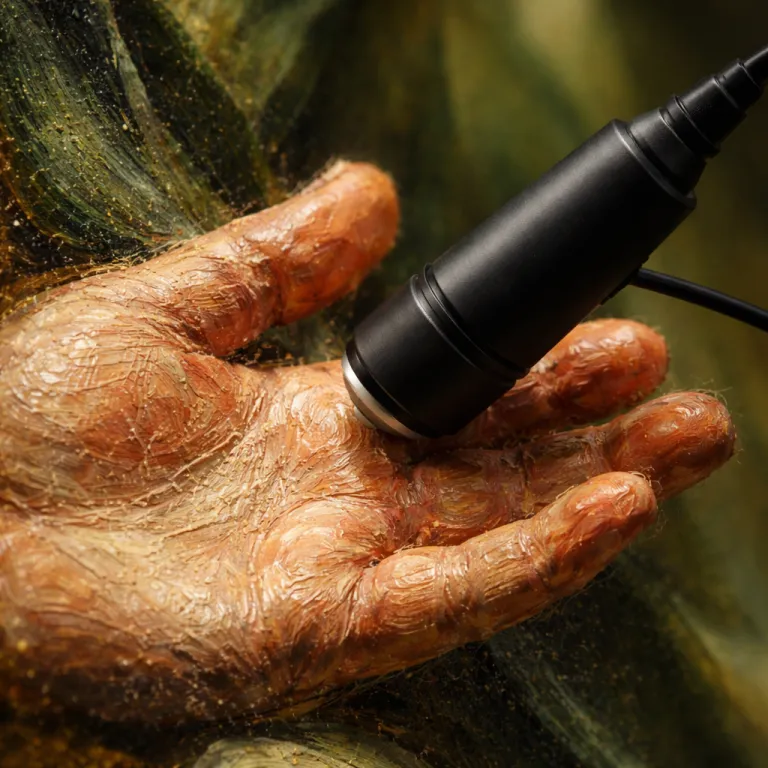
Stand close enough to the artwork that the frame almost disappears. You will see how the oil paints sit on the canvas, where the artist loaded the brush, and where the painting techniques shift from confident to hesitant. This is where the real works of art separate themselves from decorative pieces that only imitate depth.
Start with impasto, the raised ridges of painting oil that catch light. Thick passages of oil painting often mark decisive moments, where the artist committed to a gesture and let the work breathe. Machine generated images and mass produced prints cannot fake this three dimensional presence without becoming obvious on close inspection.
Then look for glazes, those translucent veils of art oil laid over dry layers. In strong raking light, you will notice how multiple paintings within the painting appear, each earlier decision still faintly visible. That sense of accumulated time is what many collectors now pay for, because it proves the work evolved rather than appeared in a single frictionless output.
Brushwork tells you how the artist thinks. Short, broken strokes in oil acrylic passages feel different from long, calligraphic sweeps of pure oil, and both differ again from flat, even zones that recall acrylic watercolor habits. When you read these marks, you learn whether the artist is solving problems on the canvas or simply filling in a pre planned design.
Texture also reveals whether mixed media elements are integral or cosmetic. Gold leaf, fabric, or other materials should be structurally embedded in the paintings, not glued on as an afterthought to chase a contemporary art trend. A thoughtful oil painting collector guide will always push you to ask whether each piece art shows necessity or mere decoration.
How to read labor, time, and intention in oil paintings
Labor leaves a trail on the surface of paintings if you know where to look. A good oil painting collector guide treats that trail as evidence, not romance, and trains you to weigh it against price. The aim is not to reward suffering but to understand how time converts into value.
First, map the tempo of the painting across the canvas. Areas of dense reworking, where earlier drawing lines ghost through thin glazes of oil paints, signal that the artist wrestled with composition rather than accepting the first idea. By contrast, large untouched fields of flat color may indicate either deliberate restraint or a rushed completion, and your eye must decide which reading fits the rest of the work.
Edges are another clock. Soft, carefully lost edges in an oil painting, especially around transitions of light and shadow, usually require multiple sessions and drying time between layers. Hard, mechanical contours that feel cut out can betray overreliance on projection, masking, or digital templates translated too literally into painting oil.
Compare this to many decorative works art that flood the lower end of the art market. These pieces often show uniform, hurried brushwork, with no hierarchy between focal points and background, and they age poorly under strong light. A seasoned art collector quickly learns that such artwork may photograph well but rarely rewards long term living with it.
Texture trends in contemporary art complicate the picture. Heavy mixed media surfaces, especially when combined with oil acrylic blends or acrylic watercolor style washes, can hide a lack of structural drawing beneath spectacle. When you collect art at a serious level, you must separate genuine material intelligence from gimmickry designed to impress on social media.
For a deeper feel for how time registers in a painting, study historical masters. Look closely at a van Gogh canvas in a museum and notice how each work balances thick impasto passages with surprisingly thin, economical strokes. That balance between effort and ease is what many art collectors now seek in younger artists who respect craft without becoming nostalgic.
Texture awareness also sharpens your taste beyond oil paintings. When you later consider a bold black and white graffiti canvas for a luxury collection, the same attention to surface will help you judge whether the piece art carries real intention or just graphic punch, as explored in this analysis of the allure of black and white graffiti art in luxury collections. The more you read surfaces, the more your collection coheres around works that hold up under scrutiny.
Spotting the artist’s hand versus the studio’s
In the upper tiers of the art market, many artists work with studio assistants. A serious oil painting collector guide must therefore teach you to separate the artist’s hand from the studio’s, and to know when that distinction matters. Not every delegated task diminishes value, but some do.
Assistants often handle underpainting, large flat grounds, or repetitive motifs in paintings. You will notice more mechanical, consistent brushwork in these zones, while key passages such as faces, hands, or focal objects show more idiosyncratic, nervous energy from the artist. When the most expressive parts of the artwork feel oddly bland, you may be looking at a work where delegation went too far.
Ask galleries directly which parts of a painting the artist executed personally. A transparent art gallery will be comfortable explaining the studio structure, perhaps noting that the artist always paints the final glazes in oil paints or personally handles all drawing in painting oil. If the answers stay vague, treat that as data, not drama.
On the secondary market, auction catalogues sometimes hint at this division of labor. Works described as “autograph” or “fully executed by the artist” tend to command a premium over similar works art from the same period that are known to be heavily studio produced. When you collect art with an eye to resale, those nuances in language become part of your financial literacy.
For first time collectors, it helps to study one artist’s work across several years. You will start to recognize signature gestures in the work, from the way hair is painted to how highlights are placed on glass or metal, and you will spot when those gestures feel diluted. That pattern recognition is more reliable than any single certificate.
Do not underestimate how this affects your emotional connection. Many art love stories begin when a collector senses the artist’s presence in the smallest decisions, such as a single loaded brushstroke of art oil that turns a flat sky into weather. When that presence feels absent, even a large, impressive piece art can leave you strangely cold.
If you are building a collection from scratch, start with guidance that is not tied to a single dealer’s inventory. A practical resource on how to start an art collection without buying the gallery’s pitch will help you frame questions about authorship, studio practice, and value before you sit down with sales staff. The goal is to arrive informed enough that you can appreciate expertise without surrendering your judgment.
Documentation, condition, and what to request before you purchase
Documentation has become the quiet battleground where human made paintings assert their value against frictionless digital images. A thoughtful oil painting collector guide now treats paperwork and photography as extensions of the artwork itself. You are not being fussy when you ask for more information ; you are protecting both your capital and your taste.
Start with a detailed condition report from the gallery or auction house. For oil paintings, this should note craquelure, overpainting, varnish layers, and any structural interventions to the canvas or panel, and it should distinguish between original mixed media elements and later additions. When you read these reports alongside high resolution images, you learn to connect technical language with visible realities on the surface.
Serious dealers increasingly provide studio process photographs. These images show the painting at different stages, from drawing to first oil acrylic layers to final glazes of oil paints, and they document the artist’s labor in a way that AI generated works cannot match. When you collect art with this level of transparency, you also build a file that future art collectors will value.
Shipping is another underrated part of the story. A heavy, materially complex artwork with layered painting techniques and fragile mixed media requires professional crating, climate controlled transport, and clear instructions for unpacking. If a seller downplays shipping concerns for a delicate piece art, consider that a warning sign about how they treat works art in general.
Ask for written details about the materials used. Knowing whether a painting oil surface combines traditional art oil with acrylic watercolor style underlayers or other synthetics will affect conservation, cleaning, and long term stability. Museums and major collections keep this data because it protects both the artwork and the investment over decades.
Provenance documents matter as much as technical ones. A chain of ownership that includes respected collections, curated exhibitions, or inclusion in serious books about the artist will support both your confidence and future resale. When the paper trail is thin, price should reflect that uncertainty rather than pretend it does not exist.
Finally, remember that documentation is not there to replace your eye. It should confirm what you already sense from close looking, not talk you into a work that feels weak, and a strong oil painting collector guide will always put visual judgment first. When paperwork and surface tell the same story, you can sign the purchase agreement with conviction.
Pricing the human hand: markets, trends, and named examples
Prices now openly reward paintings that foreground the artist’s hand. A serious oil painting collector guide must therefore connect what you see on the canvas to what you see on the invoice. This is where connoisseurship meets spreadsheets.
Look at how certain artists have benefited from this shift. Works by Jenny Saville, with their dense, worked flesh built from layers of oil paints, have seen strong demand because the labor is unmistakable even in reproduction, and in person the paintings feel almost sculpted. By contrast, some slick, photo based contemporary art has softened on the secondary market as collectors question how much of the work required irreplaceable human judgment.
Another example is Lynette Yiadom Boakye, whose paintings often emerge from imagined sitters painted in concentrated bursts of time. Collectors respond to the visible decision making in each brushstroke, where revisions remain legible rather than polished away, and that authenticity has translated into resilient auction results. These cases show how the narrative of human authorship is no longer a side note but a pricing engine.
Market reports from major fairs underline the same pattern. When you read analyses of recent Art Basel and UBS art market research, you see repeated emphasis on tactility, material intelligence, and works art that cannot be convincingly automated. Collectors are not rejecting technology ; they are simply unwilling to pay luxury prices for images that feel infinitely reproducible.
This has implications for how you build a collection over time. Books on painting techniques, studio visits where you watch an artist at work, and careful comparison of oil painting and oil acrylic hybrids will sharpen your sense of which works contain durable value. The more you learn, the less you rely on other people’s enthusiasm and the more you trust your own reading of the surface.
Keep an eye on cross medium conversations as well. Mixed media practices that combine oil painting with collage, fabric, or even sculptural elements are thriving, especially when the craftsmanship is evident and the materials age well. When you collect art in this space, you are effectively betting that the market will continue to prize visible human intervention over frictionless output.
As major exhibitions and biennials spotlight this tension between human and machine, such as the debates around what collectors should track in high profile international shows, the premium on trained looking will only grow. The art collector who can read a painting’s labor in three minutes will navigate these shifts with far more confidence than the one who only reads price lists. In the long run, the market tends to reward the eye that sees work, not just the name on the label.
Building a coherent collection that reflects your own art love
Once you can read the surface of paintings, the next step is coherence. A thoughtful oil painting collector guide does not push you toward a single style ; it helps you build a collection that feels like a conversation across works. That conversation should reflect your art love rather than anyone else’s status anxiety.
Start by writing, not buying. Keep a short notebook where you describe what you respond to in different artwork, from the way an artist handles light in oil painting to how another uses mixed media to break the rectangle, and revisit these notes every few months. Over time, patterns will emerge that are more honest than any mood board.
Use those patterns to set a clear brief for your next purchase. Perhaps you realize that you consistently favor paintings where the drawing remains visible under translucent layers of art oil, or that you are drawn to contemporary art that fuses figurative and abstract painting techniques in a single work. When you walk into an art gallery with that clarity, you filter noise quickly and focus on pieces that deepen your existing collection.
Medium diversity can strengthen coherence rather than dilute it. A collection that includes both oil paintings and carefully chosen acrylic watercolor works, or even a few works on paper that show the artist’s hand in a more stripped down way, can feel more complete than a row of similar canvases. The key is that each piece art should echo a shared set of concerns about touch, time, and presence.
Do not neglect education. Read serious books on art collecting, attend talks where artists explain their techniques, and spend time with curators who can articulate why certain works art endure while others fade, and treat this as part of the pleasure rather than homework. The more you learn, the more your collection becomes a record of your own growth rather than a static display of spending.
Finally, remember that every acquisition is a vote for a way of working. When you support artists whose paintings clearly embody sustained, thoughtful labor, you help shape an art market that values depth over speed, and you align your money with your values. In the end, what hangs on your wall is not just an image but a record of choices about what kind of work deserves to last.
Key statistics on human labor and value in oil painting
- No specific quantitative statistics were provided in the source dataset for this topic, so numerical trends cannot be cited without speculation.
Frequently asked questions about collecting oil paintings
How long should I spend looking at an oil painting before buying it ?
A minimum of three uninterrupted minutes in front of the painting is essential, and longer is better if the context allows. That window lets you read surface texture, revisions, and subtle color shifts that never appear fully in photographs. If a work does not keep your attention for that span of time, it is unlikely to reward years of living with it.
What is the main difference between oil paints and acrylics for collectors ?
Oil paints dry slowly and allow layered glazes, subtle blending, and complex surface buildup that many collectors associate with depth and longevity. Acrylics dry quickly, favor flat, graphic effects, and can be more forgiving for large, bold gestures but less suited to extended reworking. Neither is inherently superior, yet the slower tempo of oil often aligns better with collectors who prize visible labor and nuanced touch.
How important is provenance compared with visual quality ?
Visual quality should always come first, because you will live with the painting every day while provenance mostly matters at moments of sale or loan. That said, strong provenance from respected collections, curated exhibitions, or serious publications can significantly stabilize value and ease future transactions. The best acquisitions combine compelling surface quality with a documented history that supports long term confidence.
Should I worry about mixed media elements aging badly ?
Mixed media can be structurally sound if the artist understands materials and builds the work with conservation in mind. Problems arise when incompatible substances are layered without preparation, or when fragile elements are added purely for effect without considering movement, humidity, or light. Ask galleries for material details and, when in doubt, consult a conservator before committing to a high value purchase.
Do I need a professional condition report for new works, or only for older paintings ?
Professional condition reports are useful for both new and older works, especially at higher price points. For new paintings, they establish a baseline record that can help resolve future insurance or shipping claims and document any early conservation concerns. For older works, they are indispensable for understanding previous restorations, structural issues, and realistic long term care requirements.
Sources
- Art Basel and UBS, global art market reports on collector trends and material preferences.
- Angela Cameron, analysis of interior design and art texture trends in high end spaces.
- Luster Magazine, coverage of Sotheby’s and Christie’s sales emphasizing human authorship and provenance.