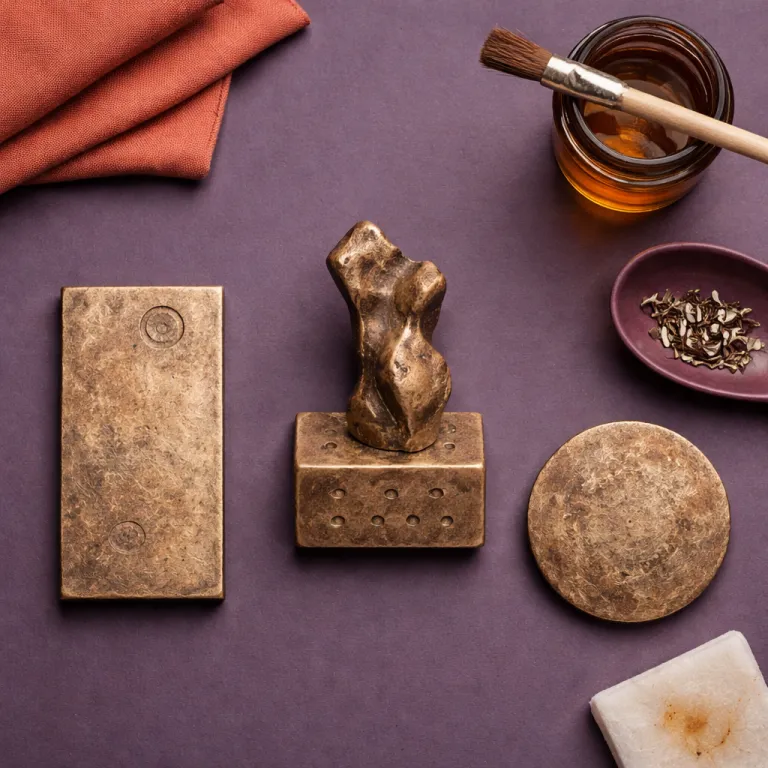
Why bronze still rules three dimensional collecting
Bronze remains the prestige medium for three dimensional sculpture because it marries durability with nuance. For a luxury buyer using any bronze sculpture collecting guide as a serious investment tool, the material’s history from traditional sculpture to contemporary sculpture is what anchors value over time. Bronze sculptures and individual bronze statue pieces sit at the intersection of design, architecture, and art history, which is why interior designers and curators still default to them for long projects and permanent spaces.
In the upper tier of sculpture collecting, bronze is treated less as décor and more as financial and cultural investment. A single bronze sculpture by blue chip artists such as Henry Moore or Alberto Giacometti can function like a compact property asset, with the art market tracking lifetime casts, posthumous editions, and casting process details as closely as any equity analyst reads a balance sheet. When you compare bronze statues with works in resin or plaster, the long term stability of the alloy, the resilience of a carefully managed patina, and the authority of major foundries make bronze the default language of serious sculptors and serious collectors.
For interior projects, bronze sculptures and smaller bronze statues bridge contemporary art and architecture in a way paintings rarely can. A dark brown patinated bronze figure on a limestone plinth can hold its own against a panoramic view, while monumental works in bronze outside a villa or hotel become anchors for the entire landscape. This is why any thoughtful bronze sculpture collecting guide starts not with style, but with understanding how bronze casting, foundries, and sculptors’ techniques translate into both artistic presence and market resilience.
Reading the base: foundry marks, edition numbers, and sculptor intent
The base of a bronze statue is where the real paperwork lives, and a disciplined bronze sculpture collecting guide teaches you to read it before you fall for the silhouette. On a serious piece of contemporary sculpture or traditional sculpture, you should find three things in close proximity: the artist’s signature, the edition number, and the foundry stamp. Together they tell you who made the work, how many bronze sculptures exist, and which foundry actually executed the bronze casting.
Edition markings usually appear as a fraction, such as 2/6, where the top number is the individual cast and the bottom is the total edition size for those works. In fine art sculpture collecting, numbered editions of three to eight casts are standard, with two to four artist proofs (often marked AP) sitting outside the main run and sometimes trading at a 20 to 50 percent premium on the primary market. When you are placing sculpture in a residence with a budget similar to a high end living room art scheme, the same logic that guides a client choosing luxury wall art for the living room at 10k to 100k applies to choosing between an AP and a numbered bronze sculpture.
The foundry stamp is your next checkpoint, because great sculptors choose great foundries and the market follows. Names such as Fonderia Artistica Battaglia in Milan, Noack in Berlin, Modern Art Foundry in New York, and Pangolin Editions in the United Kingdom signal rigorous lost wax techniques and close collaboration with artists. When you see these foundries on bronze statues or on more experimental contemporary art bronzes, you are not just buying metal; you are buying a chain of expertise that supports long term investment value and curatorial credibility.
Lifetime cast versus posthumous edition: where value really shifts
Every serious bronze sculpture collecting guide draws a hard line between lifetime casts and posthumous editions, because the market does the same. A lifetime cast is a bronze sculpture produced while the artist is alive and usually under their direct supervision, while a posthumous edition is cast after death from existing moulds or wax models. Auction data across the art market, including published results from Christie’s and Sotheby’s, shows that lifetime casts can command roughly 30 to 70 percent more than posthumous versions, even when the casting process and foundry are identical.
Major auction houses such as Christie’s and Sotheby’s now flag this distinction clearly in their catalogues, and you should read those notes as carefully as you read the estimate. Phrases such as “cast during the artist’s lifetime” or “cast at a later date by the artist’s estate” are not decorative; they are price signals that affect both immediate investment and long term liquidity. Before you wire a deposit for any bronze statues or monumental works, treat provenance verification as non negotiable and work through a structured art provenance verification checklist so you know exactly who authorised the edition and when.
For artists like Henry Moore and Alberto Giacometti, where demand for sculptures far exceeds supply, the distinction between lifetime and posthumous casts becomes even more acute. A dark brown patinated bronze figure by Giacometti cast at a top tier foundry during his life sits in a different market universe from a later estate cast, even if both are technically authentic. When you are advising clients on sculpture collecting for both residential and outdoor sculpture placements, this understanding of time, authorship, and foundries is what separates a decorative purchase from a disciplined investment in contemporary art or century bronze classics.
Surface truth: patina, condition, and what the metal is telling you
Patina is where bronze speaks most clearly, and any honest bronze sculpture collecting guide will tell you that surface condition is not cosmetic. On a well preserved bronze statue, the patinated bronze layer is a controlled skin created through heat and chemicals, locking in tones from dark brown to green and sometimes even near black. When that surface aligns with the artist’s artistic intent and the foundry’s techniques, it adds depth, value, and a sense of time that no repainting can fake.
Problems start when patina shifts from intentional to accidental, especially on outdoor sculpture or on bronze sculptures that have lived near the sea or in polluted cities. Uneven streaking, active green corrosion around joins, or powdery surfaces can signal neglect rather than noble age, and conservation can become both complex and expensive. Before you commit to any major piece, insist on a detailed condition report and learn how to read every line, because a single word about overcleaning or aggressive repatination can and sometimes should kill the deal.
Surface finish also intersects with style, from traditional sculpture with natural oxidation to contemporary art that embraces painted bronze or even pop art inspired colour blocking. A polished bronze sculpture with a mirror finish will show fingerprints and micro scratches in a busy lobby, while a dark brown patinated bronze with a waxed surface will age more gracefully under similar traffic. For interior designers balancing art, light, and materials, understanding how wax coatings, past conservation, and the casting process affect both visual warmth and long term maintenance is as critical as choosing the right marble or fabric.
Lost wax, scale, and working directly with the sculptor’s foundry
The lost wax method is the backbone of serious bronze casting, and a sophisticated bronze sculpture collecting guide treats it as more than a romantic phrase. In this casting process, the sculptor or their studio creates an original model, a mould, and then a wax positive that captures every fingerprint and tool mark before the wax is encased, melted out, and replaced with molten bronze. The quality of that wax stage, and the skill of the foundry technicians chasing the cooled metal, determine how faithfully the final works translate the artist’s vision into three dimensional form.
Scale and weight then become practical constraints, especially for residential and hospitality projects where floor loading and circulation matter. A medium sized bronze sculpture of around 80 centimetres can easily weigh 40 to 60 kilograms, and larger bronze statues or monumental works may require structural engineering, custom pedestals, and careful planning for delivery routes. When you are specifying bronze sculptures for a penthouse terrace or a hotel courtyard, treat them like architectural elements rather than movable décor, and factor in both outdoor sculpture exposure and long term maintenance of patina and wax layers.
Working directly with a sculptor’s preferred foundry often yields the cleanest provenance and the most coherent artistic results. Commissioning a contemporary sculpture through Pangolin Editions or Modern Art Foundry, for example, gives you a clear paper trail from artist to foundry to client, which the market rewards when the time comes to resell. For collectors who want both contemporary art edge and traditional sculpture craft, this route also allows for tailored patinated bronze finishes, specific dark brown or verdigris tones, and even subtle pop art references in colour or form, all while keeping the investment grade backbone of a properly documented edition.
Strategy for collectors: aligning market, artists, and long term placement
Building a coherent group of bronze sculptures is less about chasing names and more about aligning market structure with your spaces. A disciplined bronze sculpture collecting guide starts with understanding which artists, foundries, and edition sizes match your risk tolerance, your timelines, and your clients’ appetite for contemporary art versus century bronze classics. That means mapping how works by Henry Moore, Alberto Giacometti, and leading contemporary sculptors behave at auction over time, and how different casting process choices or posthumous editions affect liquidity.
For interior designers and curators, the next layer is placement strategy, because where a bronze statue lives will shape both its condition and its perceived importance. A single dark brown patinated bronze figure on axis with an entry corridor reads as a statement, while a cluster of smaller sculptures on a console can feel like a study collection that rewards close looking. When you are weighing multiple works, use a structured condition and provenance checklist so that the most architecturally prominent positions go to the cleanest investment grade pieces with the strongest foundry marks and documentation.
Finally, treat documentation as part of the artwork, not an afterthought, because the market certainly does. Keep invoices, foundry certificates, condition reports, and correspondence with artists or foundries together, and review them periodically as you would any other investment file. Over the long arc of sculpture collecting, what protects value is not only the bronze, the patina, or the artistic merit, but the clarity of the story you can tell about each work when the time comes to move it on to the next wall, the next garden, or the next generation.
FAQ
How can I tell if a bronze is a lifetime cast or posthumous edition ?
The catalogue note, foundry certificate, and sometimes the base inscription will indicate whether a bronze sculpture was cast during the artist’s life. Look for phrases such as “cast during the artist’s lifetime” in auction catalogues and cross check with catalogue raisonnés when available. If documentation is vague or missing, treat the work cautiously and price it closer to a posthumous edition until proven otherwise.
What should I look for in a foundry stamp ?
A clear, legible foundry stamp with the full name of a recognised foundry is ideal, especially when it matches the period and geography of the artist’s known works. Compare the stamp’s style and placement with documented examples from museum pieces or catalogue raisonnés. If the stamp looks crude, inconsistent, or historically implausible, consult a specialist before proceeding.
When does patina add value, and when is it a problem ?
Patina adds value when it reflects the artist’s intended finish or a stable, even ageing of the bronze over time. It becomes a problem when you see active corrosion, patchy colour, or evidence of harsh cleaning that has stripped the surface. In those cases, conservation may be possible but should be factored into both price and future maintenance plans.
Are artist proofs always more valuable than numbered editions ?
Artist proofs often command a premium on the primary market because they are closer to the artist’s hand and sometimes reserved for personal or institutional placements. On the secondary market, the premium varies and depends on the artist, the total edition size, and how many proofs exist. Treat each case individually and compare recent auction results for both proofs and numbered casts before paying a significant premium.
How should I display bronze sculptures in residential interiors ?
Prioritise stable, level surfaces and pedestals that can safely support the weight of each bronze statue, and avoid high traffic zones where accidental impact is likely. Consider sightlines from key seating areas and entries so that each work has a clear visual role in the room. For outdoor sculpture, ensure proper drainage at the base and plan for periodic maintenance of patina and wax layers.
Sources
Christie’s, Sotheby’s, Fonderia Artistica Battaglia, Noack, Modern Art Foundry, Pangolin Editions