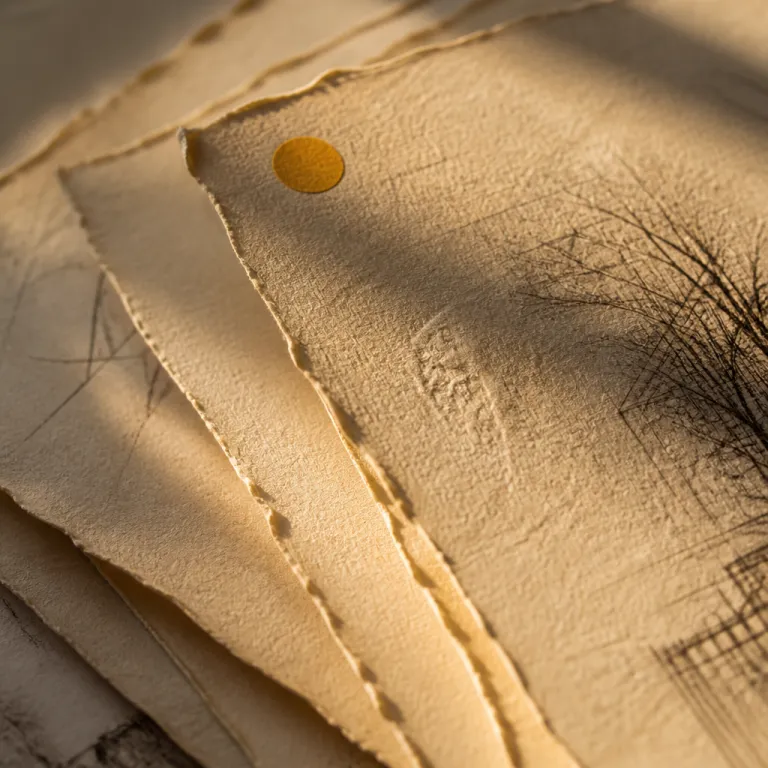
Why collecting original drawings is the most revealing form of art collecting
Collecting original drawings gives you the closest possible access to an artist’s thinking. When you hold a sheet of works on paper where the first graphite line still trembles, you see the work before the studio assistants, the framing, and the gallery narrative intervene. For seasoned art collectors and new collectors alike, this is often the best place to start an art collection that feels genuinely personal.
In collecting art on paper, you are not buying a polished painting so much as the rehearsal, the hesitation, and the correction that shaped it. Those works show how artists solve compositional problems in real time, how they shift a figure’s weight, move an architectural line, or test a color relationship before committing to oil on canvas. For any art collector who loves process, collecting original drawings is the most direct way to collect art that still carries the friction of decision making.
Look at a Picasso drawing at Sotheby’s or a Cy Twombly work on paper at Gagosian, and you will notice how the original marks feel more intimate than the finished painting. The same artist might have a seven figure painting, while a comparably important drawing remains within the budget of a serious but not billionaire collector. That pricing gap is why many art collectors quietly treat works on paper as a long term strategy for building a museum grade art collection without chasing headline prices.
For interior designers planning a dining room or a hotel suite, this intimacy matters. A single sheet of original art hung at eye level can hold a wall more quietly yet more intensely than a large edition of prints or glossy photography. When you are collecting original drawings for clients who love good art but dislike spectacle, works on paper often become the best pieces in the collection over time.
Medium literacy: how graphite, ink, and pastel change both value and display
To treat collecting original drawings as serious art collecting, you need medium literacy. Graphite, charcoal, ink, and pastel each age differently on works on paper, and that affects both conservation costs and long term value. A curator level art collector will look at the surface of the work before they even read the artist’s name or the gallery label.
Graphite drawings, from Ellsworth Kelly’s plant studies to contemporary works artists like Toyin Ojih Odutola, usually show the cleanest lines and the most legible revisions. Charcoal drawings by artists such as William Kentridge or Robert Longo offer a more dramatic, smoky presence, but they shed particles and demand careful glazing when you collect art for high traffic spaces like a dining room or hotel lobby. Ink drawings, whether Japanese sumi ink or Western pen and wash, can be the best choice for clients who love crisp, graphic work that reads strongly from a distance.
Pastel and mixed media works on paper sit closer to painting, especially when artists layer pastel over gouache or thin oil. These hybrid pieces often feel like small paintings in terms of color saturation, yet they are still categorized as works on paper by most galleries and auction houses, which keeps prices relatively affordable art compared with the same artist’s painting. For designers building an art collection on a defined budget, that categorization can be a quiet advantage in collecting art that looks far more expensive than it costs.
Medium also shapes how directly you can work with the artist. Many contemporary artists are more willing to create a limited edition suite of drawings or a series of related works on paper directly for a project than to commit to multiple large oil paintings. When you commission directly from an artist rather than through an art gallery, you often gain more control over scale, palette, and subject, which is invaluable when you are collecting original drawings for tightly specified interiors.
For clients who care about visible craft in an AI saturated visual field, drawings are especially persuasive. Every hesitation, erased line, and reworked contour is a proof of hand that no digital filter can fake, which aligns closely with the values discussed in this analysis of the proof of hand economy. When you are collecting original drawings as original art rather than edition prints, you are effectively paying for that human trace.
Paper, condition, and why works on paper are mispriced against paintings
Most pricing inefficiencies in collecting original drawings come from how the market treats paper. Auction houses and galleries routinely separate works on paper from painting categories, which means many collectors never compare the two markets directly. That structural habit keeps works on paper undervalued relative to the same artist’s oil paintings, even when the drawing is the key work in the series.
Paper quality is the first thing to check when you are collecting art on paper. Look for acid free, heavyweight sheets from makers like Arches, Fabriano, or Rives, which age better than cheap, wood pulp papers that yellow and become brittle over time. When you examine a work, tilt it under light to see whether the surface shows foxing, water stains, or overcleaning, because those condition issues will affect both the budget you should allocate and the long term stability of the piece.
Conservation history matters as much as the artist’s name for serious art collectors. A drawing that has been mounted on acidic board or framed without UV filtering glass will often show a ghostly mat burn, while works that have lived in dark storage can retain almost original freshness. When you are collecting original drawings as a long term holding, factor in the cost of museum quality reframing with acid free mats and UV protective glazing, especially for works destined for bright dining room walls or sunlit corridors.
Because the market still treats works on paper as secondary to painting, you can often buy a major drawing by a blue chip artist for the price of a minor canvas by a lesser name. That trade off is particularly clear in movements like Abstract Expressionism, where second generation artists produced extraordinary works on paper that remain relatively affordable art compared with the canonical oils. If you want a deeper dive into that pricing gap, the analysis of second generation Abstract Expressionism offers a useful parallel for how drawings can be strategically collected.
For designers and consultants, this mispricing is not a problem ; it is an opportunity. You can specify original art on paper by serious artists, stay within a client’s budget, and still build an art collection that will hold its own in a serious company of works. Over time, as more collectors recognize the depth of these works on paper, the best examples are likely to close some of the gap with paintings, rewarding those who were already collecting original drawings with conviction.
From studio to wall: buying channels, editions, and avoiding decorative traps
How you buy matters almost as much as what you buy when collecting original drawings. The same artist’s work can appear in a blue chip gallery, a regional art fair, and on social media, each with different pricing logic and different levels of vetting. A disciplined art collector treats these channels as complementary rather than interchangeable.
Primary market galleries such as David Zwirner, Hauser & Wirth, or Marian Goodman often present the most curated works on paper, but they also command the highest prices. Regional galleries and project spaces can be the best place to start collecting art by emerging artists, where a strong drawing might cost less than a design chair yet carry far more long term resonance. When you are building an art collection for multiple properties, these smaller galleries can supply a steady flow of original art without exhausting the budget.
Buying directly from an artist in the studio or through their own channels can be powerful, but it requires more due diligence. Ask about the paper, the fixatives used on charcoal or pastel, and whether any edition prints exist of the same image, because that affects scarcity and value. When you are collecting original drawings as unique works, you want clarity on whether a related limited edition exists and how it is positioned in the artist’s overall body of work.
Edition prints and works on paper are not the same thing, even when both are on similar stock. A hand executed drawing is original art, while a print, however beautiful, is a reproduction or a deliberately conceived multiple, and the market prices them accordingly. For clients who love the image but not the price of the original work, a well produced limited edition print can be a smart compromise, but it should never be confused with collecting original drawings as singular works.
Art fairs are often the most efficient way to compare drawings across many galleries and artists in a single day. When you plan a trip using a guide to art fairs worth the flight, you can target events where works on paper are taken seriously, from The Drawing Fair in Paris to the works on paper sections at TEFAF and Frieze. For busy designers, these fairs become a practical place to start or expand a collection of works on paper that can populate multiple dining room walls and hospitality spaces with coherent, process rich art.
Display, conservation, and integrating drawings into high end interiors
Once you are committed to collecting original drawings, the next question is how to live with them. Works on paper are more light sensitive than oil paintings, which means you must think about conservation from the first framing decision. A good art consultant will specify UV filtering glass, acid free mats, and hanging locations that avoid direct sunlight or extreme humidity.
For residential projects, the dining room is often the best place to start integrating drawings. Guests linger there, sightlines are controlled, and lighting can be tuned to flatter both the works and the people around the table. A grid of related works on paper by a single artist can create a quiet but authoritative focal wall, especially when the collection is curated around a clear theme such as figure studies, architectural sketches, or botanical works.
In hospitality and corporate settings, collecting original drawings allows you to scale presence without overwhelming the architecture. A series of medium sized pieces in corridors or meeting rooms can carry more warmth than large, generic edition prints that feel interchangeable from one property to another. When you collect art in this way, you are building a narrative of hand, thought, and revision that guests and clients register even if they cannot articulate why the space feels different.
Social media has changed how artists share their works on paper, but it has not changed how those works age on the wall. When you see a drawing online, always ask for detailed images of the paper surface, the verso, and any previous framing, because condition is harder to judge through a screen. Serious art collectors often use social media as a place to start a conversation with an artist or gallery, then move quickly to in person viewing before committing to collecting original drawings for important projects.
Over time, a well chosen group of works on paper can become the intellectual spine of an art collection that also includes painting, sculpture, and photography. The drawings show how the artists think, while the oils and other works show how they perform at full scale, and that dialogue is what gives a mature collection its depth. In the end, the market may chase the big canvases, but the connoisseurs will keep returning to the drawings, because what you are really collecting is not the certificate, but the wall it earns.
FAQ
Why are original drawings often cheaper than paintings by the same artist ?
Original drawings are usually categorized as works on paper, which many auction houses and galleries treat as secondary to painting. That categorization keeps prices lower, even when the drawing is a key work in the artist’s development. For collectors, this creates an opportunity to acquire important original art at a more accessible budget than comparable oil paintings.
What should I look for in the paper when buying a drawing ?
Check that the paper is acid free, reasonably thick, and free from extensive foxing, stains, or brittle edges. Makers such as Arches, Fabriano, and Rives are widely respected for archival quality, and their watermarks are a good sign. Always examine the sheet out of the frame when possible, because poor mounting or non archival backing can damage even the best works on paper over time.
Are edition prints a good alternative to original drawings ?
Edition prints can be an excellent way to collect art by sought after artists at lower prices, but they are not the same as unique drawings. A print is a multiple, even when it is a limited edition, while a drawing is a one of one work that records the artist’s hand directly. Many collectors use prints to build breadth in an art collection, then focus their main investment on collecting original drawings and paintings.
How should I frame and display works on paper in bright rooms ?
Use UV filtering glass or acrylic, acid free mats, and conservation grade backing to protect works on paper from light and acidity. Avoid hanging important drawings in direct sunlight or near sources of heat and humidity, such as radiators or bathrooms. In bright dining rooms or living spaces, consider dimmable lighting and positions slightly off the brightest walls to balance visibility with preservation.
Is buying directly from an artist riskier than buying through a gallery ?
Buying directly from an artist can offer better prices and more flexibility, but it places more responsibility on you to assess quality, condition, and market context. Galleries provide vetting, documentation, and resale track records that help many collectors feel more secure, especially with higher value works on paper. A balanced approach is to work with both trusted galleries and carefully researched artists when collecting original drawings for a serious collection.