Why photographing fog at night seduces luxury art collectors
Fog after dark transforms any familiar landscape into a rare stage. In luxury photography, a single misty evening can turn a discreet waterfront or a private garden into a museum worthy scene, where every light feels curated and every shadow feels intentional. When you understand how to photograph fog at night with precision, you begin to create images that feel as carefully crafted as a limited edition sculpture.
For serious collectors, refined fog photography offers something paintings and sculptures cannot always provide: it captures the living tension between clarity and mystery, between the visible and the veiled. A carefully planned night shoot in low fog around a private estate or a coastal villa can yield images that function as both landscape photography and psychological portrait, revealing how architecture, mist and light interact in silence. These photographs, when printed on museum grade paper or mounted under acrylic, become luxury objects that echo the atmosphere of the spaces they inhabit.
Luxury artwork lovers often commission bespoke night images precisely because photographing fog and mist allows a visual narrative that feels cinematic yet intimate. When a photographer understands how to capture a foggy scene with long exposure and controlled shutter speed, the resulting work can rival black and white platinum prints in subtlety, even when rendered in colour. The best photography ideas for a collector’s residence often start with a single foggy night walk, a camera in hand, and a clear will to translate fleeting fog mist into enduring art.
Technical foundations for museum grade fog photography at night
Creating gallery worthy night photos in fog demands technical discipline. To master nocturnal fog imagery, you must treat every shoot as if you were preparing a piece for a blue chip auction, where any flaw in exposure or focus will be immediately visible. Luxury collectors expect that each photograph or series of images made in fog will withstand close inspection under precise gallery light.
Start with a full frame camera and a fast prime lens, ideally between 35 millimetres and 85 millimetres, which offers both intimacy and control over the scene. For serious fog photography, a sturdy tripod is non negotiable, because long exposure work in low light requires absolute stability to keep the fog mist silky while architectural lines remain razor sharp. Use manual mode so that you can balance aperture, ISO and shutter speed with intention, rather than letting automatic settings flatten the atmosphere that makes a foggy night so compelling.
In practice, many luxury photographers begin shooting fog at night around f/5.6 to f/8, with ISO kept as low as possible to preserve tonal richness. Shutter speed then becomes your main creative lever: a shorter exposure near 1/10 s will freeze droplets and preserve texture, while a longer exposure of several seconds will smooth the mist into a velvety veil that flatters marble, bronze and glass surfaces. As a concrete example, on a softly lit estate path you might start at ISO 200, f/5.6 and 1 second, whereas on a brighter coastal promenade you could try ISO 100, f/8 and 4 seconds to stretch car lights into elegant trails. When planning a high value series, treat each scene like an investment in bronze sculpture, where every technical decision shapes long term value, much as discussed in this analysis of investment in bronze and its impact on the art market.
Composing luxury worthy images in foggy night environments
Composition is where photographing fog at night moves from competent documentation to luxury artwork. Mist will simplify a complex scene by hiding distractions, so your role is to decide which architectural lines, trees or sculptures emerge from the haze and which remain implied. When you plan a nocturnal fog session, think like a curator arranging a private viewing room rather than a tourist taking casual night photos.
Use leading lines such as alleys, balustrades or the curve of a garden path to guide the eye through the foggy scene. Low fog can create a natural gradient from dense mist at ground level to clearer air above, which is ideal for landscape photography around vineyards, lakeside estates or coastal cliffs, especially when subtle light sources punctuate the distance. Many luxury collectors respond strongly to black and white interpretations of these scenes, where the absence of colour emphasises form, texture and the delicate transitions between light and shadow.
When scouting photography ideas for a commission, walk the property during the day and again at night to understand how artificial light interacts with potential fog. Note where statues, water features or architectural details will sit relative to street lamps, garden lighting or interior windows, because these will become your primary light sources once the mist rolls in. For collectors who enjoy immersive experiences, combining such a night photography shoot with tailored painting holidays, as explored in this guide to unforgettable painting holidays in the USA for luxury art lovers, can deepen their understanding of how composition translates across mediums.
Mastering light, filters and exposure for atmospheric luxury prints
Light is the true protagonist when you photograph fog at night for a luxury audience. Fog and mist scatter every photon, softening harsh sources and creating luminous halos that can either elevate your images or wash them out completely. To control this, you must treat exposure decisions with the same care a conservator applies to varnish on an old master painting.
Begin by slightly underexposing your night photos, often by two thirds of a stop, to preserve highlight detail in street lamps, windows and reflected light on wet stone. Fog photography tends to fool camera meters into overexposure, because the bright mist dominates the frame, so manual exposure and careful histogram checking are essential photography tips for consistent results. When shooting fog in areas with mixed light temperatures, such as sodium vapour street lamps near cooler LED signage, consider setting a fixed white balance to maintain a coherent palette that will print beautifully at large scale.
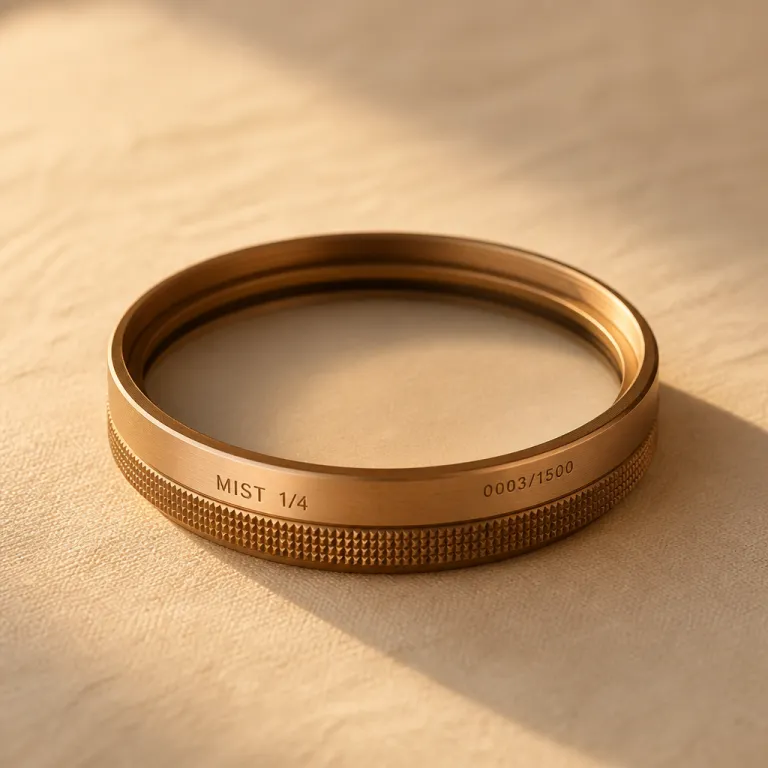
Filters can be helpful but must be used with restraint in luxury oriented fog projects. A high quality neutral density filter, for instance a 3 stop ND, allows for longer exposure times without blowing highlights, which is useful when you want to blur moving fog mist around static sculptures or architecture. On a dimly lit lakeside terrace you might pair ISO 100 and f/8 with a 4 second exposure using such a filter to keep lamps controlled while smoothing the water and haze. Avoid cheap filters that introduce flare or colour casts, because these defects become painfully obvious in large format prints destined for high end interiors, where every nuance of the scene and every subtle gradient in the foggy night sky matters.
Iconic locations, from private estates to the Golden Gate Bridge
Some locations are naturally suited to night photography in fog, and luxury collectors often gravitate toward these iconic scenes. The Golden Gate Bridge, for example, has inspired countless photographers because low fog frequently drapes the structure while its towers and lights remain visible above the mist. When you study how to handle fog at night in such places, you learn lessons that translate directly to more private commissions on estates, rooftops or coastal properties.
At the Golden Gate Bridge and similar sites, the key is timing and vantage point. Arriving before the fog rolls in allows you to choose a composition that will still read clearly once the bridge, or any gate bridge like structure, becomes partially obscured by fog mist and low clouds. Long exposure techniques help you capture the movement of cars as soft trails of light beneath the static geometry of the bridge, creating images that feel both dynamic and serene, which is precisely the balance many luxury artwork lovers seek.
For collectors who prefer more discreet subjects, photographing fog around vineyards, mountain passes or lakeside villas can yield equally powerful images. In these settings, shooting fog at night often involves working with minimal artificial light, perhaps a single lamp, a lit window or a carefully placed portable source, to sculpt the scene. When planning a series for a sophisticated audience, study curatorial approaches such as those discussed in this reflection on reading major biennales through curatorial lineage, and apply similar thinking to how each image in your fog series relates to the next.
From workshop to wall: art education for photographing fog at night
Luxury artwork lovers increasingly seek not only to collect but also to create, and specialised workshops on photographing fog at night respond directly to this desire. A well designed workshop goes beyond basic photography tips and instead treats each participant as an emerging artist, guiding them through the full process from first shoot to final print. For those who wish to understand how to work with fog after dark, this educational path can be as rewarding as acquiring a new piece for their collection.
High level workshops typically begin with theory sessions on light behaviour in fog, the physics of mist scattering and the impact of shutter speed on perceived depth. Participants then move into practical night photography sessions, where they learn to capture a foggy scene using manual exposure, deliberate shooting angles and thoughtful framing that respects the aesthetics of luxury interiors. Instructors emphasise how to translate raw images into finished artworks, including decisions about black and white versus colour, paper choice, mounting techniques and the scale that best suits a given space.
For collectors who already own significant photography, such workshops offer a deeper appreciation of the craft behind their favourite images. They learn why some fog based photos feel flat while others seem to glow from within, and how subtle choices in camera settings, long exposure strategy and shooting direction can change the emotional register of a piece. This kind of inspiration and education strengthens the bond between creator and collector, ensuring that each new fog photography acquisition or commission is informed by genuine understanding rather than passing fashion.
Advanced techniques and curatorial thinking for fog photography collections
Once the fundamentals are secure, advanced techniques allow you to shape fog photography into cohesive luxury collections. One powerful approach is to work in series, where each photo explores a different relationship between light, architecture and mist, yet all share a consistent visual language. This curatorial mindset mirrors how major institutions build photography holdings, and it helps private collectors see their own night photos as part of a larger narrative.
Experiment with varying shutter speed across a sequence, moving from crisp, short exposures that reveal individual droplets to long exposure frames where fog becomes a continuous veil. Alternate between colour and black and white interpretations of the same scene, then decide which version better serves the emotional tone you want in a given room or gallery. Pay attention to how low fog interacts with reflective surfaces such as water, polished stone or glass, because these elements can add depth and complexity that reward repeated viewing.
Finally, treat every shoot as an opportunity to refine your photography ideas for future projects and workshops. Keep detailed notes on which exposure settings, filters and shooting positions produced the most compelling images, and review your contact sheets or digital galleries with the same rigour a curator applies to a biennale shortlist. Over time, this disciplined approach will not only improve your ability to photograph fog at night but also elevate your work to a level where it sits comfortably alongside other luxury artworks in discerning collections.
Key figures and market insights on luxury night fog photography
- Based on aggregated auction reports from major houses such as Christie’s and Sotheby’s, high end photography sales have risen by an estimated 25–35% over the past decade, with atmospheric night photography and landscape photography among the more resilient segments in terms of collector demand.
- Large format prints, typically above 100 centimetres on the long edge, can often command prices two to three times higher than smaller images, a pattern reflected in widely cited price databases like Artprice and Artnet, which reinforces the need for impeccable technical quality when photographing fog and mist at night.
- Market analyses from leading galleries and art market surveys suggest that limited editions of 5 to 10 prints tend to achieve stronger long term value retention than larger editions, especially when the series presents a coherent exploration of a single theme such as foggy night cityscapes or coastal low fog scenes.
- Surveys of luxury collectors by organisations including Artsy and Art Basel indicate that more than half now participate in some form of art education, including photography workshops, which supports the growing interest in learning how to photograph fog at night rather than only acquiring finished works.
FAQ about photographing fog at night for luxury artwork
What camera settings work best for photographing fog at night?
For most foggy night scenes, start with a low ISO between 100 and 400, an aperture around f/5.6 to f/8 and then adjust shutter speed until the histogram shows no clipped highlights in the light sources. Use manual mode and review each photo carefully, because fog will often trick automatic metering into overexposure. A tripod is essential, since even modest long exposure times can introduce blur if you handhold the camera.
How do I avoid flat, washed out images in fog photography?
Flat images usually come from overexposure and uncontrolled light sources. Underexpose slightly, protect highlights in lamps and windows, and position yourself so that the main light grazes the fog rather than shining directly into the lens. Using a lens hood and avoiding cheap filters also helps maintain contrast and clarity in your night photos.
Is black and white better than colour for luxury fog prints?
Black and white can emphasise form, texture and tonal subtlety, which often suits minimalist interiors and serious collections. Colour, however, can capture the nuanced hues of mixed urban light or warm garden illumination in a way that feels more immersive. Many luxury collectors commission both versions from the same shoot, then decide which works best in each space after viewing test prints.
How important is location when building a fog photography collection?
Location shapes the character of your images, but it is not the only factor in creating luxury worthy work. Iconic sites such as the Golden Gate Bridge offer dramatic structures and reliable low fog, yet a well composed scene on a private estate or lakeside property can be equally compelling. What matters most is how you use light, composition and exposure to create a coherent body of work that reflects your personal vision.
Can workshops really improve my ability to create collectible fog images?
Specialised workshops accelerate learning by combining technical instruction, guided night shoots and critical review of your images. Working alongside experienced photographers helps you refine your approach to shutter speed, long exposure, composition and printing decisions that affect the final artwork. For luxury artwork lovers, this education not only improves personal practice but also deepens appreciation for the fog photography they choose to collect.
