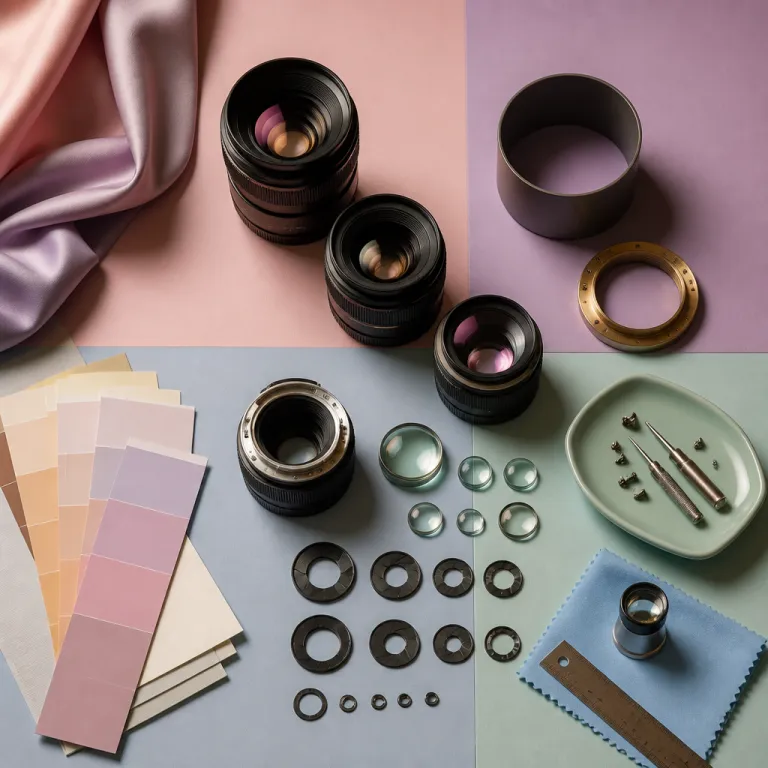
Why the best lens for portrait photography matters in digital luxury art
In luxury digital artwork, the best lens for portrait photography defines how a collector experiences a face. A carefully chosen optic will shape the portrait, control the background, and translate subtle expressions into a photograph that feels worthy of a gallery wall. When you commission portraits or create them yourself, the right portrait lens becomes as critical as the artist’s brush.
For high end portrait photography, a fast focusing lens with a wide maximum aperture allows you to sculpt depth of field like a jeweler cuts a diamond. A prime lens with a focal length between 50 millimetres and 135 millimetres usually offers the best balance between flattering perspective, creamy background blur, and practical working distance for portraits. This is why many luxury photographers still rely on a so called nifty fifty prime and longer portrait lenses to build cohesive portrait series for discerning clients, often choosing classics such as an 85mm f/1.4 or 135mm f/2 on full frame systems, or modern designs like the Canon RF 85mm f/1.2L USM and EF 135mm f/2L USM.
On a full frame camera body, a 50 millimetre portrait lens feels natural, while an 85 millimetre lens will compress facial features slightly and create a more elegant frame. When you move to longer focal lengths such as 105 or 135 millimetres, the portrait lens will give even stronger separation between subject and background, which is ideal for large format prints in luxury interiors. These focal lengths also help keep the background clean, so every portrait and every photo aligns with the refined minimalism many collectors expect, whether the final work is printed at 60 by 90 centimetres or scaled up for statement pieces.
Focal length, perspective, and the architecture of the luxury portrait
Focal length is not just a technical specification; it is the architecture of your portrait photography. A short focal length that is too wide can distort facial features, while a carefully chosen medium telephoto lens will preserve proportions and keep portraits visually calm. For luxury artwork, this control over focal lengths ensures that every frame feels intentional and every portrait lens choice supports the narrative of status and poise.
On a full frame system, many Canon portrait specialists consider 85 millimetres the best lens for portrait photography because it balances working distance, perspective, and background blur. A high quality Canon lens at this focal length, with an aperture of f/1.4 or f/1.2, will render bokeh that looks almost painterly, which is ideal when portraits are later integrated into mixed media digital compositions. When you read any serious review of portrait lenses, you will notice how often experts return to this focal length range for its flattering compression and consistent results, frequently citing reference optics such as an 85mm f/1.2L or 85mm f/1.4L, and publishing measured performance data for sharpness, chromatic aberration, and vignetting.
There are moments when a wide angle lens also earns a place in luxury portrait photography, especially for environmental portraits in architect designed interiors. A 35 millimetre focusing lens on a full frame body lets you include context, artwork, and design objects without overwhelming the subject, provided you keep the subject near the centre of the frame to avoid distortion. When you commission lens based portrait work for a luxury residence, discuss with your photographer how different focal lengths will interact with the space, the background, and the existing art collection, then select the best lenses accordingly, whether that means a Canon RF 35mm f/1.8 Macro IS STM or a more specialised tilt shift optic.
For collectors interested in how refined optics shape other genres, the same principles of focal length and perspective apply to landscape work, as explored in this analysis of how EF landscape photography lenses elevate digital luxury artwork. Understanding these relationships will help you evaluate both portraits and wider scenes with a more critical eye. The lens Canon engineers design for one purpose often reveals its character when used creatively in another, which is why many artists experiment across genres before settling on their preferred portrait lenses.
Aperture, bokeh, and the sculpting of background in luxury portraits
In the luxury segment, collectors often respond instinctively to portraits where the subject appears to float against a velvety background. This effect comes from pairing the best lens for portrait photography with a wide aperture, which reduces depth of field and creates a refined background blur. When a lens will open to f/1.2 or f/1.4, the bokeh can feel almost liquid, turning ordinary interiors into abstract colour fields behind the subject.
Not every portrait requires the widest aperture, because extremely shallow depth of field can erase context that matters in luxury storytelling. Many Canon lens specialists prefer to stop down slightly, using apertures between f/2 and f/4 to keep both eyes sharp while still maintaining a soft background that flatters skin and jewellery. This approach allows the focusing lens to render fine details in couture fabrics while the background blur gently simplifies architectural lines and decorative objects, especially when using lenses such as the Canon RF 50mm f/1.2L USM or EF 85mm f/1.4L IS USM at these intermediate settings.
For lifestyle portraits that later become digital fine art prints, a versatile nifty fifty prime with a bright aperture remains a great choice. When mounted on a full frame body, this lens will give a natural perspective, pleasing bokeh, and enough flexibility to work in low light salons or private residences without intrusive lighting. The same optical principles that turn newborn sessions into art, as discussed in this feature on how lifestyle newborn photography becomes digital fine art for the luxury home, also apply when you commission sophisticated adult portraits for your collection.
For collectors evaluating prints, look closely at how the portrait lens handles transitions from sharp to soft areas. A refined Canon design will render smooth tonal shifts around the jawline and hair, while lesser lenses may show nervous bokeh or double edges in the background. When you compare portraits side by side, the best lenses reveal themselves in these subtle transitions rather than in headline specifications alone, especially once the work is printed at sizes above 70 by 100 centimetres.
Macro detail, second looks, and the digital craftsmanship of portraits
Luxury artwork often rewards a second look, and portrait photography is no exception. A macro capable lens used for close portraits or detail shots can reveal textures in skin, fabrics, and jewellery that standard portrait lenses cannot match. These macro portraits become valuable assets when artists build layered digital compositions, because each photo contains micro details that withstand large scale printing.
While a dedicated macro lens is not always the best lens for portrait photography in a traditional sense, it plays a strategic role in a complete portrait toolkit. Photographers may use a classic portrait lens for the main frame, then switch to a macro lens for tight crops of eyes, hands, or couture embroidery that later integrate into digital collages. For collectors, owning both the primary portrait and the macro detail prints can feel like possessing the wide narrative and the intimate secret of the same sitter.
Macro capable Canon lens designs such as 100 millimetre primes offer flattering focal lengths for portraits while allowing extreme close focus. On a full frame body, this focal length maintains comfortable working distance, while the wide aperture still provides attractive background blur even at close range. When a lens will transition smoothly from standard portrait distances to macro detail, it becomes a versatile focusing lens for artists who move fluidly between traditional portrait photography and experimental digital artistry, particularly with optics like the Canon EF 100mm f/2.8L Macro IS USM or RF 100mm f/2.8L Macro IS USM.
In luxury digital workflows, these macro portraits often undergo meticulous retouching and compositing. The depth of field from a macro lens can be razor thin, so artists sometimes stack multiple frames to achieve the desired sharpness across key features while preserving soft bokeh elsewhere. When you evaluate such works, ask to see a brief review of the capture process, because the technical discipline behind each photo often mirrors the craftsmanship you expect from haute horlogerie or bespoke jewellery.
Low light, full frame systems, and the quiet drama of intimate portraits
Many of the most memorable luxury portraits are created in low light, where a subject is illuminated only by a window, a chandelier, or a single lamp. In these situations, the best lens for portrait photography is one with a wide aperture and reliable focusing performance, especially when paired with a modern full frame sensor. The combination allows the photographer to maintain a low ISO, preserve tonal richness, and capture a photo that feels cinematic rather than artificially lit.
Canon full frame bodies paired with fast primes such as 50, 85, or 135 millimetres remain a great choice for such work, because each Canon lens in this range offers both speed and refined rendering. A wide aperture not only gathers more light but also enhances background blur, turning dim interiors into soft gradients that frame the subject with quiet drama. When a lens will focus accurately in low light, the photographer can work unobtrusively during private events, capturing authentic portraits that later translate into large scale luxury prints.
For collectors, understanding how focal length interacts with low light helps in commissioning the right style of portraits. A slightly wider angle lens such as 35 millimetres allows more of the environment into the frame, which suits portraits that celebrate architecture or art collections, while longer focal lengths isolate the subject more strongly. When you review portfolios, pay attention to how the photographer handles low light portraits, because this reveals both the quality of their portrait lenses and their mastery of depth of field, motion, and mood.
Some artists also experiment with slow shutter speeds in low light, allowing a second of motion to blur slightly while the face remains sharp. This technique requires a stable focusing lens and precise timing, but the results can feel painterly and unique. When executed with the best lenses, such portraits bridge the gap between traditional photography and contemporary digital painting, offering collectors something that feels both timeless and distinctly modern.
Curating a lens palette for a luxury portrait portfolio
Just as a painter selects a palette, a serious portrait photographer curates a small set of lenses to serve different artistic intentions. For most luxury focused portfolios, this palette includes a nifty fifty, a dedicated portrait lens around 85 millimetres, and at least one longer focal length such as 135 millimetres for highly compressed portraits. Each lens will bring a distinct character to the portraits, and together these focal lengths allow a coherent yet varied body of work.
When evaluating a photographer or building your own kit, consider how each Canon lens design contributes to the overall narrative of your portraits. A 35 millimetre wide angle lens can anchor environmental portraits, a 50 millimetre prime can handle versatile day to day photo sessions, and an 85 or 105 millimetre portrait lens can deliver the classic head and shoulders look with refined background blur. Adding a macro capable lens extends this palette into detail studies, ensuring that both grand and intimate moments receive equal visual care, and that you can move seamlessly from a Canon RF 35mm f/1.8 to an RF 85mm f/1.2 and a 100mm macro within the same project.
Collectors who commission recurring portraits over many years often appreciate seeing how different lens choices subtly shift the visual language while maintaining continuity. Early sessions might rely heavily on wider focal lengths to situate the subject within a newly acquired residence, while later portraits use longer portrait lenses to focus more on character and expression. When you plan such long term projects, request a brief review of the photographer’s lens strategy, because this transparency builds trust and aligns expectations about how each frame will evolve over time.
For those interested in how lens choices influence other media, consider how portrait photography interacts with painting and printmaking. A carefully controlled depth of field and bokeh can echo the softness of contemporary watercolour, as explored in this essay on how to read a contemporary watercolour for craft and value. Understanding these cross medium dialogues helps you assess whether a given photo, created with the best lenses for portraits, will harmonise with the rest of your luxury artwork collection.
Digital artistry, retouching, and the afterlife of a portrait lens
In contemporary luxury artwork, the journey of a portrait rarely ends with the raw photo. The best lens for portrait photography provides a clean, high resolution starting point, but digital artistry, retouching, and compositing transform that capture into a finished piece that can command space in a serious collection. The quality of the original lens will determine how far an artist can push the file before it breaks down under scrutiny.
High end Canon lens designs, especially those optimised for full frame sensors, deliver micro contrast and colour fidelity that survive extensive digital manipulation. When a lens will render fine tonal transitions in skin and fabric, retouchers can work delicately, preserving natural texture while refining imperfections, which is essential for portraits destined for large prints in luxury interiors. This is where the difference between ordinary lenses and true best lenses becomes obvious, because only the latter maintain integrity through multiple stages of editing and printing.
Digital artists often build layered compositions from several portrait lens captures, combining different focal lengths, frames, and lighting setups into a single cohesive artwork. A wide angle base frame might establish the environment, while tighter lens portraits provide expressive faces and hands, and macro details add tactile richness. The depth of field from each focusing lens must be harmonised in post production, so that background blur and sharpness transitions feel believable even when elements originate from different sessions.
For collectors, understanding this process enhances appreciation and informs acquisition decisions. When you consider a major purchase, ask the artist or gallery for a technical review of how the work was produced, including which portrait lenses were used and how many separate frames contributed to the final piece. Such transparency not only reinforces trust but also aligns with the broader movement in luxury markets toward informed, craftsmanship focused collecting.
Key figures shaping luxury portrait photography and lens choices
- According to Canon’s own published product mix overviews and interviews with product managers, lenses between 50 and 135 millimetres account for a significant share of prime lens sales to portrait specialists, reflecting the enduring preference for these focal lengths in high end portrait photography.
- Industry surveys from major camera retailers and rental houses, such as annual lens usage reports and bestseller lists, show that fast primes with apertures of f/1.8 or wider represent a large proportion of lenses purchased specifically for portraits, underscoring the importance of wide apertures and background blur in luxury portrait aesthetics.
- Print labs serving fine art photographers report in their technical specifications that full frame camera files captured with high quality glass can be printed comfortably up to around 100 by 150 centimetres without visible degradation at normal viewing distances, which helps explain why collectors and artists prioritise the best lens for portrait photography when planning large scale works.
- Market analyses of luxury photography sales by organisations such as Artsy and Sotheby’s indicate that carefully crafted portraits and portrait series consistently achieve strong prices at auction and in galleries, especially when accompanied by clear documentation of the lenses and techniques used in their creation.
FAQ about lenses and luxury portrait photography
What focal length is most flattering for luxury portraits?
On a full frame camera, focal lengths between 85 and 135 millimetres are generally the most flattering for portraits, because they compress features slightly and minimise distortion. These focal lengths also help create pleasing background blur, which is essential for luxury prints. Many collectors and photographers consider an 85 millimetre portrait lens the best balance between intimacy and elegance.
Is a nifty fifty lens enough for high end portrait work?
A high quality 50 millimetre nifty fifty prime can absolutely produce gallery worthy portraits, especially on a full frame body. It offers a natural perspective, a bright aperture for low light, and attractive bokeh when used close to the subject. Many luxury photographers pair a 50 millimetre lens with an 85 millimetre lens to cover most portrait situations.
Do I need a macro lens for luxury portrait photography?
A dedicated macro lens is not mandatory, but it expands creative options for detail rich luxury artwork. Macro capable lenses allow extreme close ups of eyes, jewellery, and fabrics that can be printed as standalone pieces or integrated into digital collages. For collectors who value craftsmanship, these macro portraits often become prized companion works to the main portrait.
Are zoom lenses suitable for luxury portraits, or only primes?
Modern high end zoom lenses can deliver excellent portrait results, especially in controlled studio environments. However, many luxury focused photographers still prefer fast prime lenses because they offer wider apertures, more consistent rendering, and often superior background blur. A balanced kit may include both, using primes for signature portraits and zooms for dynamic events or editorial style sessions.
How does low light performance affect the value of a portrait print?
Strong low light performance allows photographers to work with natural or ambient light, which often produces more atmospheric and authentic portraits. When a lens and camera combination handles low light gracefully, the resulting files retain detail, colour, and subtle tonal transitions that hold up in large luxury prints. Collectors often favour such works because they feel less staged and more emotionally resonant.
References
- Canon Europe – technical guides on portrait lenses and focal length choices for full frame systems, including documentation for EF and RF series portrait primes.
- Nikon and Sony professional resources – white papers on lens design, bokeh characteristics, and depth of field in portrait photography, with measured MTF charts and sample images.
- Reports from major fine art print labs and photography market analyses by organisations such as Artsy and Sotheby’s, which publish guidelines on maximum print sizes and trends in collector demand for portrait work.
