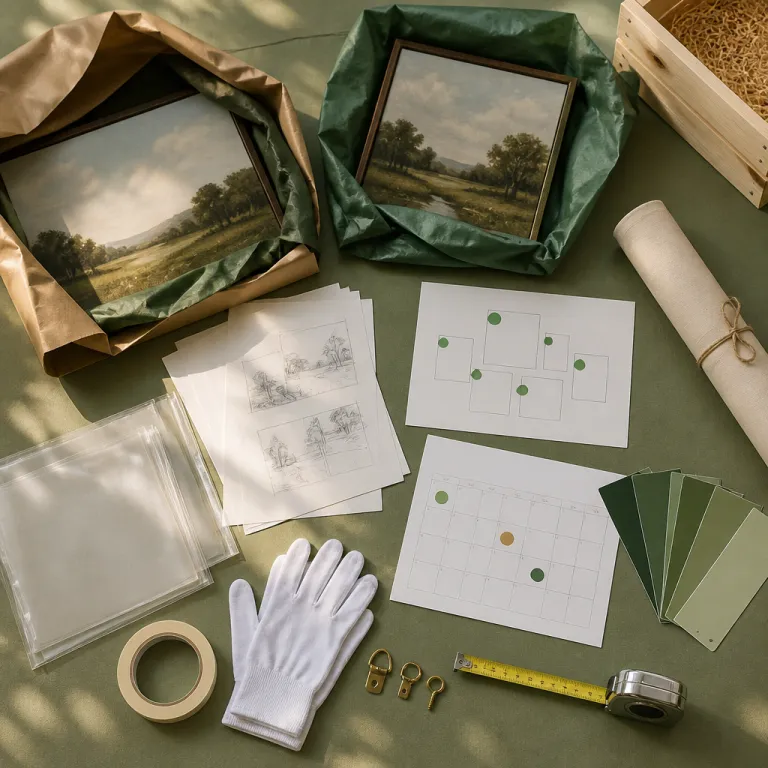
Why commissioning a living artist reshapes a serious collection
Commissioning art from artist you admire changes how a collection breathes. When you move from acquiring finished artwork to a live commission, you shift from passive selection to active collaboration with an artist and their studio. That shift in the art commissioning mindset is where the most personal commissioned artwork in a collection usually begins.
For an interior designer or curator, a commission art strategy lets you solve architectural problems and emotional gaps that no existing piece art on the market quite addresses. You are not just buying paintings or sculpture as isolated fine art objects ; you are asking artists to let their work art respond to a specific room, a specific client, and a specific light. Done well, commissioning artwork produces a commissioned piece that feels inevitable in the space, as if the architecture grew around the work from the start.
The risk is real, because every commission process carries uncertainty about how the artist will translate your brief into a finished work. Some collectors feel anxious about losing control, especially when the commission painting budget runs into six figures and the timeline stretches over many months. Yet the patrons who truly love the medium understand that a strong artist style needs room to move, and that the right contract and structure can protect both sides while leaving the artist free to create.
Writing a brief that guides without suffocating the artist
A strong brief for commissioning art from artist partners starts with the site, not the ego. Before you talk about colour or subject, define the architectural constraints for the artwork : dimensions in centimetres, ceiling height, viewing distance, and any competing paintings or objects nearby. When you commission artwork for a dining room or lobby, this practical frame keeps the commissioned artwork from fighting with furniture, lighting, or circulation.
Then you move into the emotional register of the commission process, which is where many luxury clients either say too little or far too much. Too vague, and the artist will guess at what you love, often defaulting to their safest work art, which leaves the commissioned piece feeling generic. Too prescriptive, and you reduce a painter to a decorator, turning the art commission into illustration rather than fine art, which is how you end up with expensive paintings that nobody in the room truly loves.
The sweet spot is to describe how you want people to feel in the space and what kind of narrative the commission painting should carry, while anchoring it in the artist style you already respect. Reference specific paintings or series from the artist, and be explicit about what you respond to in that work from their past. When you study how major patrons shaped collections like the Gerhard Richter holdings discussed in this analysis of how a dealer’s eye builds a lasting collection, you see the same pattern : clear preferences, but no micromanaging of how the artist will solve the problem.
Timelines, contracts, and the real economics of a commission
When commissioning art from artist studios at the top end, the first reality check is time. A serious painter with a full exhibition schedule may need six to twelve months for a large commission painting, while a smaller bespoke piece on paper might fit into a three month window. Sculpture and complex mixed media artwork can stretch longer, especially when foundry slots or specialist fabricators are involved in the work.
Your contract is where you turn a hopeful conversation into a clear commission process that protects everyone. At minimum, a luxury art commissioning agreement should specify the subject, approximate palette, dimensions, medium, price, payment schedule, approval stages, kill fee, and what happens if you do not love the final commissioned artwork. In most markets, the artist will or the gallery will ask for a 30 to 50 percent deposit on signing, with the balance due on delivery or on final approval, and a kill fee of 25 to 50 percent if the patron cancels once the artist has begun serious work art.
Gallery mediated art commissions cost more on paper because the gallery takes its standard commission, but you are paying for project management, documentation, and often better secondary market positioning for the commissioned piece. Direct commissioning artwork from an independent artist can reduce the headline price, yet you assume responsibility for scheduling, logistics, and difficult conversations if the piece art misses the brief. Whatever route you choose, pair the contract with a serious policy using guidance like this detailed overview of what art insurance actually covers and excludes, because a commissioned piece that is damaged in transit without proper coverage is a heartbreak you can avoid.
From studio to site: visits, maquettes, and managing the process
The most successful experiences of commissioning art from artist studios share one habit ; they treat the commission as a design project with clear milestones. Before the artist create anything substantial, insist on a site visit for major work, especially when the artwork must negotiate complex natural light or reflective surfaces. Photographs flatten space, while a painter walking the room will feel how the work from their hand needs to sit against stone, fabric, and shadow.
For large scale paintings or sculpture, ask for scale maquettes or digital mockups as part of the commission artwork plan, and write these into the contract. A small painted study, a cardboard volume, or a 3D render lets you test how the commissioned artwork relates to furniture, sightlines, and picture lights before the artist commits months of work art. This is also the moment to refine lighting, using a layered scheme like the one outlined in this guide to choosing picture lights, tracks, LEDs, and natural wash for each artwork, because even a perfect commission painting will die under the wrong fittings.
Throughout the process, agree on how many progress updates you will receive and in what form, whether studio photographs, short videos, or in person visits. Too many check ins can make artists feel watched and push them toward safe decisions, while too few can leave you anxious about a six figure art commission that feels invisible. Aim for two or three structured reviews, tied to clear stages in the art commissioning schedule, so that both patron and artist love the rhythm and nobody is surprised when the final piece arrives.
When the work arrives: handling disappointment, value, and legacy
The day a commissioned piece lands on site is when commissioning art from artist partners becomes very real. Sometimes you uncrate the artwork and feel an immediate jolt of recognition, as if the painter has translated a private language you did not know you spoke. Other times, especially with bold artists, the first reaction is discomfort, because the work art pushes further than the safe paintings you might have chosen from a showroom wall.
If you do not love the result, resist the urge to react in the first five minutes, and give the piece art a little time on the wall before you decide. Then have a direct but respectful conversation with the gallery or artist about what feels off, whether it is scale, palette, or a specific motif that jars against the room, and refer back to the contract terms you agreed for revisions or rejection. Many artists will offer minor adjustments or a partial rework from their side, but you should not expect a complete repainting unless the brief was clearly misunderstood, because that undermines the integrity of the commission art relationship.
From a market perspective, a well documented commissioned artwork with a clear patron story can carry a provenance premium at auction, especially when the artist style is already established. Collectors respond to the narrative of a bespoke piece that was commissioned from a living artist for a specific space, in the same way they respond to historic commissions recorded in catalogues raisonnés of figures like Leonardo Vinci and his patrons. Over time, the most meaningful commissions in a collection are rarely the safest paintings ; they are the ones where the artist will not compromise, and where the patron chose to live with a challenging work rather than a polite decoration.
Aligning taste, process, and long term collecting strategy
For interior designers and curators, commissioning artwork is not a one off indulgence but a tool for shaping a coherent collection across multiple properties. When you understand how to structure an art commission, you can brief different artists for different rooms while maintaining a through line of material quality, palette, and emotional tone. Over a decade, that discipline turns scattered art commissions into a body of work from living artists that tells a clear story about how your clients live with fine art.
The key is to keep returning to the same core questions every time you commission painting or sculpture from an artist : what does this space need, what does this client love, and what does this particular artist create better than anyone else. When those three answers align, the commission process becomes less about risk management and more about orchestrating a series of conversations, site visits, and approvals that let the artist love the challenge. In that setting, commissioning art from artist collaborators stops feeling like a gamble and starts to feel like what it really is, which is the most direct way to bring new work into the world that could never have existed without your brief.
FAQ
How long does a typical luxury art commission take from brief to installation ?
For substantial paintings or mixed media artwork, expect three to twelve months from signed contract to installation, depending on the artist schedule and medium. Simpler works on paper or small scale pieces can sometimes be completed in under three months, while complex sculpture involving foundries or fabricators may extend beyond a year. Build in extra time for framing, shipping, and any on site adjustments so the work arrives before key events rather than after.
What should a commission contract always include for high value pieces ?
A robust commission contract should specify subject, dimensions, medium, price, payment schedule, approval stages, kill fee, and what happens if you reject the final work. It should also clarify who owns reproduction rights, how many progress images you will receive, and whether any studies or maquettes are included in the price. For six figure commissions, many collectors also add clauses about conservation standards, framing responsibilities, and insurance coverage during transit and installation.
How much creative control should I give the artist in a commission ?
You should define the problem clearly and the emotional tone you want, then let the artist solve it in their own language. Over specifying composition, colours, or exact imagery can turn the project into illustration and flatten the artist style you were drawn to in the first place. The best balance is a precise brief on context and feeling, paired with trust in how the artist create the final piece.
What happens if I really do not like the finished commissioned artwork ?
Your options depend on what the contract says about approvals, revisions, and rejection. In many cases, you can request limited adjustments or agree on a partial payment as a kill fee if you decide not to accept the work, while the artist retains the right to resell or exhibit it. This is why it is essential to negotiate clear terms before the commission starts, rather than relying on goodwill when emotions are high.
Do commissioned works hold their value on the secondary market ?
Commissioned works from established artists can perform well at auction, especially when the patron and commission story are well documented. Provenance that links a bespoke piece to a notable collection or architect designed interior often adds interest for future buyers. That said, you should commission primarily for the life you will have with the work, not as a short term investment strategy.