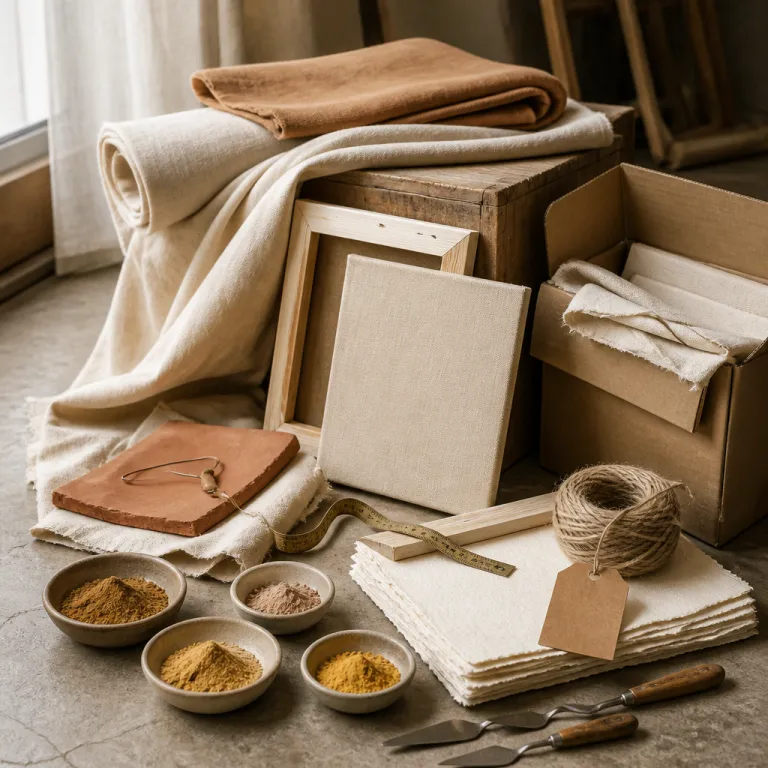
Why artist studio costs in 2026 reshape the primary market price
Walk into a Chelsea studio and the first thing you feel is pressure. The pressure is not only aesthetic; it is the monthly cost ticking in the background of every brushstroke, every welded joint, every print pulled. When collectors talk about artist studio costs in 2026, they are really talking about whether the artist can stay in that space long enough to mature a body of work.
In New York, a workable studio space of 50 to 70 square metres in Long Island City or Bushwick now rents for roughly 2 000 to 5 000 dollars per month, which means the studio rent alone can equal a mid level salary before a single painting is sold. That studio lease usually comes on top of a separate apartment lease, so many artists effectively pay two city rents while trying to run a business that looks nothing like a conventional business. When you see a 15 000 dollar painting at a serious art center or blue chip gallery, you are not looking at a windfall; you are looking at a survival calculation built on rent, materials, and time.
The arithmetic is brutal yet clarifying for any luxury artwork lover. Start with that 15 000 dollar price, subtract a standard 50 percent gallery commission, and the artist receives 7 500 dollars before paying for the art studio overhead, materials, fabrication, and studio financial obligations such as insurance and electricity water. Once you factor in a realistic monthly rate for studio artists working full time, the net margin on each work often drops below 3 000 dollars, which is why escalating studio expenses in 2026 quietly dictate which practices endure and which disappear.
To see how quickly the numbers compress, imagine a painter in Brooklyn with a 3 000 dollar monthly rent studio, 1 000 dollars in utilities, insurance, and storage, and 1 500 dollars in average monthly materials and fabrication costs. Over a year, that 5 500 dollar monthly cost becomes 66 000 dollars in fixed overhead. If that artist completes 20 works annually and sells a single 15 000 dollar painting through a gallery, the 7 500 dollars they receive after commission must still cover roughly 3 000 dollars of direct material and framing costs for that piece plus a proportional share of the 66 000 dollars in studio overhead, leaving only a narrow slice of true income.
Collectors often ask why material heavy art seems to have a hard floor on price. The answer lies in the space cost and the production cycle, not in dealer mystique or opaque marketing language. A sculptor casting bronze in a shared studio art foundry might face a single edition cost of 5 000 to 20 000 dollars, so any discount you negotiate comes directly out of the artist’s ability to pay the next studio lease or rent studio space at all.
For painters, the picture is only slightly softer. Large scale oil on linen works can carry a material cost of 500 to 2 000 dollars per canvas, and that is before framing, transport, and the fee studio managers charge in some cooperative studios for shared tools and storage. When you layer those costs onto rising studio rent and the expectation that artists maintain a visible presence on facebook instagram to drive open studios traffic, you start to see why 2026 studio economics are forcing quiet but firm price increases.
Luxury collectors who understand this economic scaffolding negotiate differently. Instead of pushing for a lower rate on every acquisition, they ask how many works per year are needed to cover the artist studio overhead and what kind of monthly budget keeps the practice sustainable. That shift in conversation transforms you from a transactional buyer into a long term ally in the artist’s business, which is ultimately the most effective form of patronage.
Inside the studio visit: what your eye misses, your calculator must catch
A studio visit is where the myth of the solitary genius collides with the spreadsheet. When you step into an artist studio in Berlin’s Wedding district or a converted warehouse in Los Angeles, you are entering a working business with a fragile cash flow, not a romantic garret. The real cost of maintaining a professional workspace in 2026 turns every square metre of studio space into a line item that either earns its keep or accelerates burnout.
Look closely during your next visit and you will see the hidden monthly cost everywhere. The racks of stretched canvases, the custom shelving for ceramics, the flat files for works on paper, and even the industrial sinks for cleaning brushes all occupy studio space that must justify its rent. Many resident artists in reputable art center programmes pay a subsidised monthly rate, but they still juggle application fee payments, shared insurance policies, and the expectation that they will participate in open studios weekends that function as both marketing and sales events.
For an aspiring collector, the most useful question is disarmingly simple. Ask the artist how many works they realistically produce in a year and how their studio financial plan aligns with that output, then compare the annual studio costs to the total retail value of that production. If an artist pays 36 000 dollars per year in combined lease, utilities, and basic materials yet can only bring 80 000 dollars of work to market, the margin after gallery commission and taxes is far thinner than the glossy surface suggests.
Different mediums translate studio economics into price in different ways. A photographer working in large format might rent studio space mainly for shooting days and rely on external labs, which shifts the cost structure toward per edition printing rather than continuous rent, while a ceramicist often needs full time access to kilns, storage, and specialised ventilation. When you read about the human figure as intimate luxury in thoughtful analyses of figurative art, such as the discussion of people focused art as intimate luxury, remember that each life sized sculpture or portrait also occupies literal cubic metres of paid space for months.
Even communication has a cost profile now. Maintaining a professional presence on facebook instagram, answering every call from a curator, and handling each application for residencies or grants eats into the same limited hours that could be spent on studio art production. Many artists quietly hire part time assistants to manage this marketing layer, which adds another monthly cost that must be covered by sales, teaching, or external income.
When you understand these pressures, the etiquette of a studio visit changes. You stop treating the space as a backdrop for selfies and start seeing it as the engine room of the artist’s business, where every square metre, every light fixture, and every crate in the corner has a cost and a purpose. That awareness makes you more attentive to how the 2026 cost of studio space shapes not only prices but also the scale, ambition, and frequency of the works you eventually hang.
The hard floor of materials, utilities, and the non negotiable bill
Material intensive practices expose the limits of romantic thinking about art. A bronze sculpture, a monumental photograph, or a multi panel ceramic installation cannot be priced like a quick oil sketch, because the underlying costs are not remotely comparable. The current level of artist studio expenses in 2026 has pushed these differences into stark relief, especially in cities where electricity water and specialised infrastructure now rival rent as the dominant expense.
Consider a mid career sculptor working in a shared industrial studio in London’s Hackney Wick. The studio lease might be slightly lower per square metre than a pristine white cube painting studio, but the space cost balloons once you add kiln access, crane time, ventilation systems, and higher insurance premiums for heavy equipment and visiting fabricators. When a single bronze cast can require a five figure outlay before any gallery takes its commission, the artist’s budget for experimentation shrinks unless collectors accept that there is a non negotiable fee embedded in each work.
Photography and new media tell a similar story with different line items. A large format photographer might not need as much raw studio space, yet the monthly cost of high end printers, archival papers, calibrated monitors, and secure storage quickly rivals a conventional rent studio arrangement. If a ten print edition costs 2 000 to 10 000 dollars to produce at museum quality, then discounting below a certain rate is not generosity; it is self sabotage that leaves nothing to cover the next production run.
Utilities and services are the quiet killers in many studios. Heating a 70 square metre loft with high ceilings, running dehumidifiers to protect works on paper, and paying for specialised waste disposal can add hundreds of dollars to the monthly rate, which means the artist must either raise prices or increase volume just to stand still. When you read detailed analyses of conservation and restoration, such as the examination of local expertise in art restoration, remember that the same climate control standards often apply in working studios long before a piece reaches a conservator.
Insurance is another line item that luxury collectors sometimes underestimate. A serious artist studio policy must cover not only finished works but also works in progress, visiting clients, and sometimes even external storage, and those premiums rise with each successful show or higher valuation. For artists who operate multiple studios or maintain a presence in both an art center residency and a private art studio, the combined insurance and rent obligations can consume a shocking share of their annual income.
All of this explains why studio overhead in 2026 is driving a quiet but firm reset in primary market pricing. When you see a price list at a gallery or during open studios, you are not just looking at what the market will bear; you are looking at what the artist needs to cover a complex stack of non negotiable bills that arrive every month whether anything sells or not. Respecting that floor is not charity, it is a prerequisite for the kind of ambitious work that drew you to collecting in the first place.
How understanding studio economics changes the way you collect
Once you internalise the real artist studio costs 2026, your collecting strategy inevitably shifts. You stop asking whether a price feels high in the abstract and start asking whether it makes sense relative to the artist’s studio financial reality, production rhythm, and long term prospects. That change in mindset is the difference between treating art as a speculative asset and treating it as a relationship based luxury.
Start with a simple framework whenever you consider a primary market work. Ask the gallery or the artist how many pieces they produce annually, what their combined studio lease and rent obligations look like, and how much of their time is genuinely full time studio work versus teaching, residencies, or other jobs needed to cover the gap. If an artist spends only two days per week in the studio because the rest of their week is devoted to income that keeps the lights on, then each finished work carries a higher embedded cost in time and foregone opportunities.
Next, pay attention to how artists structure their business beyond the white cube. Many now run their own open studios events, maintain direct sales channels through carefully curated facebook instagram accounts, and handle every application for grants or residencies personally, which effectively turns them into solo entrepreneurs. When you support them by paying a fair rate rather than pushing for a discount, you are funding not just a single artwork but an entire ecosystem of labour that keeps the practice viable.
There is also a geographic dimension that sophisticated collectors increasingly track. In cities where studio rent has risen 25 to 40 percent since the early twenties, such as New York, London, and Paris, the pressure on monthly cost structures is far more intense than in secondary markets like Lisbon or Antwerp, where space cost remains relatively moderate. That disparity explains why some of the most interesting studio artists quietly relocate to less glamorous postcodes while maintaining relationships with major galleries, and why a studio visit in a supposedly peripheral city can yield work whose pricing still reflects generous margins for both sides.
Context matters as much as numbers. When you read about performance and installation practices reshaping institutional narratives, such as the analysis of Marina Abramović’s presence at the Accademia in Venice in this in depth examination of a landmark museum project, remember that such large scale works often require temporary studio space, fabrication teams, and complex logistics that dwarf the costs of a single painting. Collectors who understand those realities tend to be more patient with timelines, more realistic about edition sizes, and more willing to fund ambitious projects that might never fit neatly into a domestic interior.
Ultimately, the most rewarding collections I see share a common trait. Their owners treat each acquisition as a long term partnership with the artist’s practice, calibrated to the real artist studio costs 2026 rather than to cocktail party gossip about auction records. The work on your wall is not just pigment, bronze, or paper; it is accumulated rent, risk, and resolve made visible, and the value lies not in the certificate but in the wall it earns.
Key figures behind artist studio costs and primary market pricing
- New York studio rent benchmarks. Typical studio rent for a 50 to 70 square metre workspace in neighbourhoods such as Bushwick or Long Island City ranges from roughly 2 000 to 5 000 dollars per month, reflecting average commercial rates of 35 to 55 dollars per square foot, which have risen about 25 to 40 percent since the early twenties according to major real estate surveys published between 2022 and 2025 by firms such as CBRE, JLL, and Cushman & Wakefield.
- Material costs for large scale painting. Material costs for large scale oil paintings often fall between 500 and 2 000 dollars per canvas when you include linen, stretcher bars, high quality pigments, solvents, and professional framing, which means materials alone can represent more than 10 percent of the retail price for mid market works, based on price lists shared by New York and London suppliers in 2024 and compiled in internal studio budgets.
- Bronze sculpture production ranges. Bronze sculpture production typically costs 5 000 to 20 000 dollars per cast at reputable foundries once you factor in mould making, metal, patination, and finishing, creating a hard price floor that makes deep discounts economically impossible without eroding the artist’s income, as confirmed by multiple foundry quotes gathered from 2023 to early 2025 from US and European facilities.
- Fine art photography edition expenses. Fine art photographers producing large format editions usually spend 2 000 to 10 000 dollars per edition on printing, mounting, framing, and proofing at museum quality labs, so even modest edition sizes must be priced to recover these upfront costs before any profit is realised, according to lab price lists circulated in 2024 by leading print studios in New York, London, and Berlin.
- Standard gallery commission structures. Standard primary market gallery commissions remain around 50 percent of the retail price, while some mega galleries have shifted to 60 40 splits in their favour, which significantly reduces the net income artists receive from each sale and amplifies the impact of rising studio costs, a pattern repeatedly cited in dealer interviews and art market reports since 2020.
- Worked example for a 15 000 dollar painting. On a 15 000 dollar painting sold through a gallery at a 50 percent commission, the artist typically receives 7 500 dollars before expenses; after deducting 1 200 to 1 800 dollars for canvas, paint, and framing, 1 500 to 2 000 dollars for the proportional share of annual studio rent and utilities, and several hundred dollars for insurance, transport, and documentation, the net income can fall below 3 000 dollars, illustrating how thin margins often are even at seemingly high prices in the current 2026 environment.
- Overall increase in studio overhead. Surveys of major art cities indicate that overall studio costs, including rent and utilities, have increased by roughly 25 to 40 percent since the early twenties, which has forced many artists either to raise primary market prices, reduce studio size, or relocate to lower cost regions to maintain sustainable practices, a trend documented in sector reports released between 2021 and 2025 by urban policy institutes and cultural economics researchers.