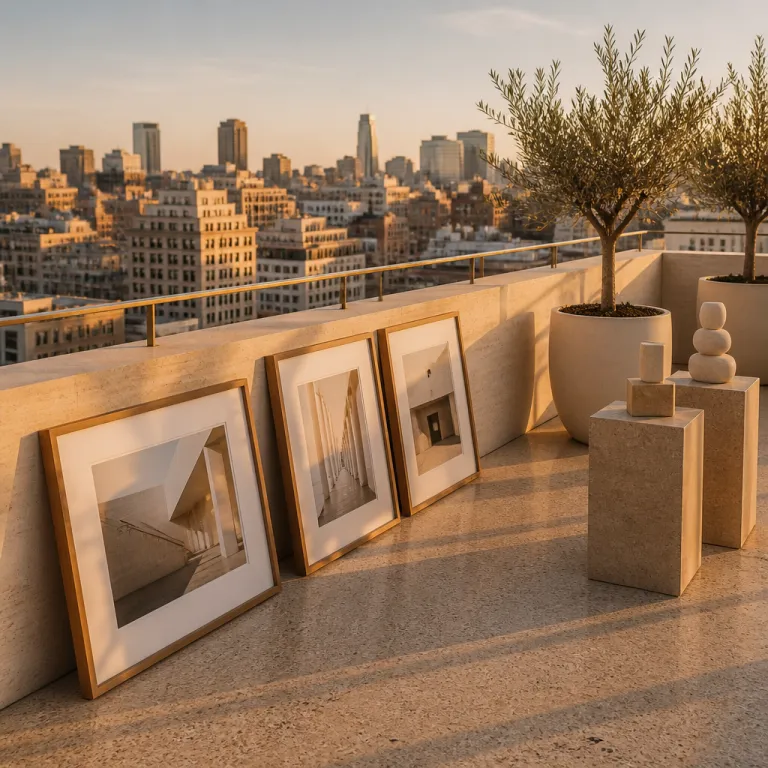
City photography as contemporary urban luxury
Luxury collectors are turning to refined city photography as a new status symbol. In high end collections, a single large format urban cityscape print can rival a painting when the light, the main subject, and the depth of field are orchestrated with precision. Serious buyers now treat each photograph of an urban landscape as an asset class, not just an interesting decorative image.
What distinguishes luxury urban photography from casual street photography is intention at every stage of the shoot. The photographer studies the city at each time of day, from golden hour to blue hour and deep night, deciding when the street, the people, and the architecture will align into a great photo that can justify a five figure print. This level of planning transforms a simple camera into an instrument for creating museum grade images that capture the emotional temperature of a city night.
Collectors who focus on sophisticated cityscapes often seek works that balance timeless composition with contemporary technique. A carefully framed black and white photograph of New York City, printed at 150 cm on archival cotton rag paper using pigment inks, can sit comfortably beside a classical canvas floral painting in a curated salon. When the image uses the rule of thirds, controlled depth of field, and a subtle long exposure, the result will feel both cinematic and architecturally precise.
In this segment, the main subject is rarely a single person but rather the choreography between people and place. A wide angle lens might stretch an avenue in New York City while a lone person in the distance becomes a quiet counterpoint to the monumental street. Luxury buyers respond to this tension, because it allows the photograph to create a narrative that unfolds slowly over time, rewarding repeated viewing.
Digital artistry and the crafted city image
Digital artistry has elevated contemporary city photography into a discipline that rivals painting in terms of control and nuance. In high end studios, the raw photograph is only the starting point, as artists refine light, colour, and texture to create images that feel sculpted rather than simply captured. This process is especially visible in night photography, where subtle adjustments can turn a chaotic city night into a harmonious composition.
Luxury collectors appreciate when an artist uses digital tools to respect, not overwhelm, the original photograph. A skilled creator will refine the glow of street lamps, deepen the blue of the sky during blue hour, and gently guide the viewer’s eye toward the main subject without obvious manipulation. In the best examples of urban cityscapes, the final image still feels like a truthful photograph of the city, even though every pixel has been considered.
For investors used to curated digital fine art, the parallels with other genres are clear. The same discerning eye that values carefully edited portraiture or still life photography in luxury digital collections will recognise when a city photography piece has been over processed. Subtlety is the new luxury, and the most coveted photos use long exposure, controlled depth of field, and careful colour grading to create atmosphere rather than spectacle.
Digital artistry also allows photographers to experiment with formats that feel architectural. A panoramic shoot with a fish eye lens can bend urban landscapes into near abstract forms, yet still remain rooted in real street photography. When printed large, these images invite the viewer to step inside the city, transforming a simple photo into an immersive experience that will dominate a room.
Composing the luxury city: light, time, and perspective
For serious collectors, the value of high end city photography often begins with light. Golden hour softens hard edges, while blue hour wraps the city in a cool veil that flatters glass, stone, and steel in equal measure. A great photograph from these times of day will feel almost painterly, yet the presence of people and traffic keeps the image firmly anchored in reality.
Perspective is the second pillar of luxury city photography, and it is where technical mastery becomes visible. A wide angle lens can exaggerate the height of towers, while a carefully chosen depth of field isolates a single person against a blurred street, turning an ordinary passer by into a sculptural main subject. Collectors often favour series where the artist repeats a perspective across different times of day, allowing them to compare how the same street transforms from golden hour to city night.
Time itself becomes a material when photographers use long exposure in urban photography. Car lights turn into ribbons, people dissolve into ghosts, and the city’s constant movement is distilled into a single, meditative image. In luxury interiors, these long exposure photos pair beautifully with more intimate fine art photography in the home, creating a dialogue between private and public worlds.
Thoughtful artists also respect classic photography tips such as the rule of thirds, even when working with experimental tools like a fish eye lens. By placing the horizon or a key architectural line along these compositional guides, they create balance within even the most dynamic urban landscapes. For the collector, this invisible structure is what makes a city photograph feel calm and enduring, rather than merely interesting for a short time.
From street photography to gallery wall: curating urban narratives
When street photography enters the luxury market, context and curation become as important as the camera itself. A single photograph of a person crossing a street in the East Village can be powerful, but a sequence of photos tracing that same corner across seasons will create a deeper narrative. Collectors who specialise in urban cityscapes often build portfolios around such micro geographies, treating each block as a chapter in a visual novel.
Gallery ready city photography rarely relies on chance alone, even when it appears spontaneous. The artist will return to the same street at different times of day, studying how the light falls, how people move, and when the main subject naturally emerges from the flow of the city. Over time, this disciplined approach yields images that feel both candid and composed, a balance that luxury buyers find especially compelling.
Black and white prints remain a cornerstone of high end urban photography, because they strip away distraction and emphasise form. In a monochrome photograph of New York City, the interplay between light and shadow on a façade can become the true main subject, while the people below read as rhythmic accents. Collectors often pair such black and white works with colour pieces from the same shoot, enjoying how the different treatments create parallel interpretations of the same image.
Curators also pay attention to how city night scenes converse with daytime photos on the same wall. A long exposure of a city night, with car trails and illuminated windows, can be hung opposite a calm golden hour view of the same street, inviting the viewer to compare energies. This kind of thoughtful pairing turns a private collection into a narrative space, where each photograph of the city will contribute to a larger, carefully orchestrated story.
Luxury printing, scale, and materiality in city photography
The transition from digital file to physical artwork is where contemporary city photography fully enters the luxury realm. High end collectors rarely settle for small prints, preferring large formats where every detail of the street, every person, and every reflection of light can be appreciated from several metres away. At these scales, a single city photography piece can command the same visual authority as a monumental painting.
Material choices are equally decisive, because they shape how the image interacts with the surrounding space. A matte museum grade paper will soften the glow of a city night, while a glossy acrylic face mount can intensify the blues of blue hour and the warm tones of golden hour. Collectors often consult specialists for photography tips on matching print finishes to specific urban landscapes, ensuring that each photo will perform optimally under their interior lighting.
Framing and presentation also influence how viewers read the main subject within an image. A minimal frame can emphasise the modernity of a wide angle view of New York City, while a more ornate frame might suit a black and white photograph that echoes historical street photography traditions. For those building mixed media collections, pairing a large city night print with a work that explores the timeless elegance of canvas floral paintings in luxury art collections can create a sophisticated contrast between organic and urban forms.
Scale invites new perspectives on familiar scenes, especially when artists use tools like a fish eye lens or extreme depth of field. In a two metre wide print, the curve of a boulevard or the repetition of windows becomes almost abstract, yet the presence of tiny people anchors the image in lived reality. This interplay between detail and monumentality is one reason why high end city photography has become a cornerstone of contemporary luxury interiors.
Collecting strategies and long term value in urban photography
Building a serious collection of luxury city photography requires a strategy that goes beyond personal taste. Seasoned collectors evaluate how an artist handles light, composition, and the relationship between people and architecture across multiple shoots, not just in a single impressive photo. They look for consistency in how the photographer uses tools such as long exposure, depth of field, and the rule of thirds to create a recognisable visual language.
Geographic focus is another key criterion when assessing urban photography for long term value. Some artists concentrate on New York City or the East Village, while others explore a broader range of urban landscapes across continents, yet the strongest portfolios maintain a coherent perspective on the street as a living stage. Collectors often choose to specialise in one city night aesthetic or one particular time of day, such as blue hour, building depth rather than breadth in their holdings.
Market wise, limited editions and impeccable provenance remain essential for luxury urban photography. According to the Art Basel and UBS Global Art Market Report 2024, photography represented around 4–6% of global fine art auction sales by value in recent years, with large scale works by artists such as Andreas Gursky, Thomas Struth, and Candida Höfer demonstrating how meticulously produced city images can achieve strong auction results. Gursky’s “Paris, Montparnasse,” for example, has reached prices in the low seven figures at major auction houses, underscoring the long term potential of museum grade cityscapes.
For those entering this field, it is wise to seek advisors who understand both the technical side of photography and the dynamics of the art market. They can help you evaluate whether a dramatic fish eye city night scene or a restrained black and white street photograph will better complement your existing collection. Over time, a disciplined approach will allow contemporary city photography to become not only a visual pleasure but also a thoughtful, resilient component of your overall art portfolio.
Key statistics shaping the market for luxury city photography
- According to the Art Basel and UBS Global Art Market Report 2024, photography accounted for approximately 4–6% of fine art auction sales by value between 2019 and 2023, indicating a stable niche where high quality city photography can command strong prices compared with other mediums.
- Data published by Artsy in its 2023 and 2024 reports on online collecting trends shows that works featuring urban themes and cityscapes recorded year on year inquiry growth in the low double digits (roughly 10–15% in several recent reporting periods), reflecting rising collector interest in contemporary photographs of the city as a subject.
- Reports from major photography fairs and auction houses such as Paris Photo and Phillips indicate that large format prints above 100 cm on the longest side typically achieve higher average sale prices than smaller photos, confirming that scale and materiality significantly influence the perceived luxury of city photography.
- Surveys from leading galleries and auction catalogues show that limited editions of 10 or fewer prints tend to sell out faster and retain secondary market value better than open editions, a pattern that strongly affects how collectors evaluate long term potential in urban photography series.
- Online platforms specialising in fine art photography report that night photography and blue hour cityscapes generate higher engagement rates than generic daytime images, suggesting that collectors are particularly drawn to atmospheric treatments of the city night.
FAQ about luxury city photography
How do I evaluate the quality of a city photography print for my collection ?
Start by examining sharpness, tonal range, and how the light is rendered across the image. High quality prints will show detail in both shadows and highlights, especially in complex scenes such as a city night with bright signage and dark streets. You should also check the paper or substrate, the printing process, and whether the edition size and documentation meet luxury market standards.
As a practical checklist, inspect the surface under raking light for flaws, confirm that blacks are rich rather than muddy, verify that the print is signed and numbered, and review any certificates or invoices that document the edition and provenance.
Is black and white or colour better for luxury urban photography ?
Neither is inherently better ; the choice depends on the narrative you want in your space. Black and white emphasises form, contrast, and timelessness, making it ideal for architectural street photography and classic views of New York City. Colour excels when you want to highlight golden hour warmth, blue hour tones, or the neon palette of night photography in contemporary urban landscapes.
What role does lens choice play in the final city photograph ?
Lens choice shapes perspective, depth of field, and how the main subject relates to its surroundings. A wide angle lens can exaggerate scale and include more of the street, while a fish eye lens introduces curvature that can feel either dynamic or disorienting depending on how it is used. For luxury collections, many curators favour lenses that offer controlled distortion and allow the photographer to create images that remain elegant at large print sizes.
How important is the time of day when commissioning a city shoot ?
The time of day is crucial, because it determines the character of the light and the mood of the photograph. Golden hour offers soft, warm illumination that flatters façades and people, while blue hour and full night photography emphasise atmosphere, reflections, and artificial light. When commissioning a shoot, discuss with the artist whether your space will benefit more from the calm of early evening or the energy of a vibrant city night.
Can city photography integrate well with other luxury artworks in a collection ?
Yes, city photography often provides a strong contemporary counterpoint to painting, sculpture, or more intimate photographic genres. A carefully chosen photograph of the city can echo architectural lines in your interior while contrasting with organic works such as floral canvases or figurative pieces. The key is to consider scale, colour palette, and the emotional tone of each work so that the overall collection feels cohesive rather than crowded.
