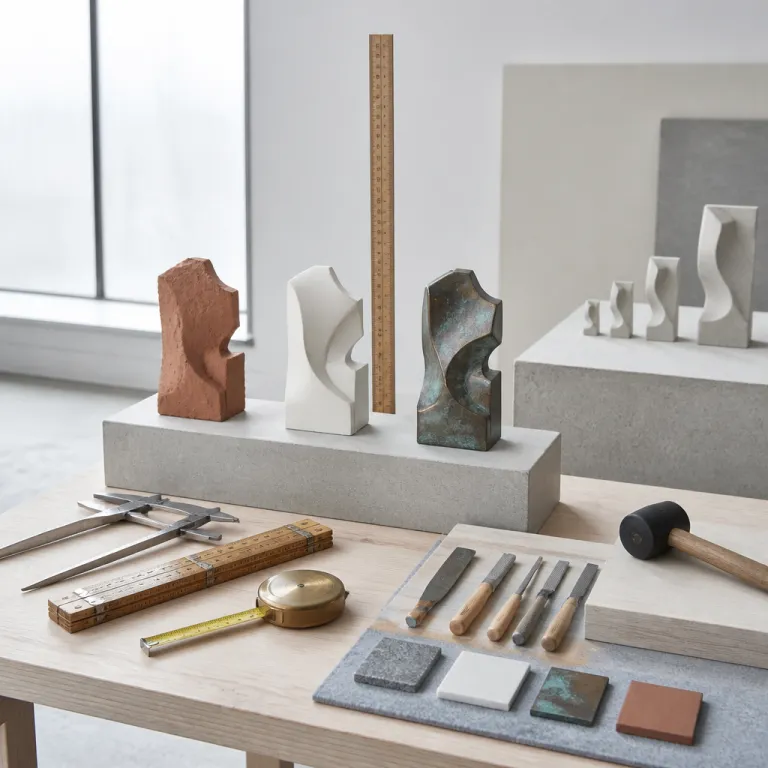
Why buying your first sculpture feels bigger than a painting
Buying your first sculpture as a collector feels like stepping off a ledge. The leap from buying art on paper or a painting on canvas to a three dimensional piece of art changes how people think about space, risk, and responsibility in their art collection, especially for first time buyers who already bought first works on the wall. For many time buyers who already love contemporary art, the shift into sculpture is where buying art stops being decor and starts feeling like a major commitment.
The art market treats sculpture differently because the works are literally harder to move. Auction houses such as Christie’s and Sotheby’s quietly warn new buyers that a big bronze or stone piece art can cost more to crate and ship than some painting sales, which is why buying first sculpture collector decisions must factor logistics as much as aesthetics for serious buyers. That is also where art power really shows ; sculpture can dominate a room in a way that even a great painting rarely can, and the power of that presence is exactly what attracts artists collectors who want their collection to speak clearly about taste and culture.
For a luxury artwork lover, the first piece in three dimensions is rarely the first piece of art overall. In the early days of an art collection, people usually buy smaller works by emerging artists, then move toward major works once they gain greater awareness of how the secondary market behaves and how artists build careers. When you finally bought your first sculpture, you are no longer just buying art ; you are buying into a type of art that occupies real metres of floor, sometimes half a metre or more in each direction, and that physical claim on your home changes how you think about every future buy.
Reading material: bronze, stone, ceramic, glass, and mixed media
Material is where buying first sculpture collector decisions either age beautifully or become expensive regrets. Bronze remains the classic choice in Western art culture because it balances durability, surface nuance, and the power of tradition, especially when the foundry mark is from a respected workshop such as Fonderia Artistica Battaglia or Pangolin Editions. When buyers look at bronze works for the first time, they should read the patina, the edition number, and the foundry stamp with the same care they once reserved for signatures on a painting.
Bronze editions are usually limited, which matters for collectors who care about the secondary market and long term art power. A smaller edition of eight plus four artist’s proofs will generally hold value better than a big edition of fifty, and artists collectors who already bought first bronzes from a gallery like Gagosian or Hauser & Wirth know that the edition size is as critical as the sculptor’s name. When you buy bronze for the first time, ask the artist or gallery whether the mould will be destroyed, how many casts exist, and how the patina may change over time, because those details separate a serious art find from a decorative object.
Stone, ceramic, glass, and mixed media each carry different risks for first time buyers. Marble and granite have enormous physical power but demand respect for weight, fragility at edges, and the reality that a piece one metre high and nearly a metre or several feet wide can challenge residential floors, while ceramic and glass works by artists such as Edmund de Waal or Ritsue Mishima require greater awareness of temperature shifts and impact risk. Mixed media and found object sculpture in contemporary art can be thrilling, but buying art of this type for your first piece means asking blunt questions about adhesives, UV stability, and what happens if the federal government tightens import rules on organic materials in the future, because longevity is part of luxury.
Residency programs often shape how artists handle these materials in their early days. When you study how sculptors refine technique through residency programs that shape careers, you see why some works feel resolved while others read like experiments. For buying first sculpture collector decisions, follow artists whose residency histories show deep engagement with a specific type of art rather than scattered dabbling across too many materials at once.
Scale, space, and how sculpture talks to the room
Scale is where buying first sculpture collector instincts often fail, because the gallery room lies. A twelve inch maquette on a plinth in a big white cube gallery can feel intimate, while the same piece of art on a domestic console table may suddenly read as precious or underpowered next to a major painting and a big sofa. Conversely, a floor sculpture that seems modest in a cavernous space can overwhelm a living room once its true one metre height and nearly one metre or several feet wide footprint collide with furniture, people, and daily life.
Before you buy, map the work in your home using tape on the floor and cardboard at full height. This simple exercise gives first time buyers a physical sense of how much room the sculpture’s works will claim, how close people must walk around it, and whether the piece blocks sightlines to other art or windows that you love. Luxury collectors who already bought first sculptures often say that this rehearsal changed their understanding of art power more than any gallery visit, because it forced them to see sculpture as architecture rather than as an isolated object.
Light and traffic matter as much as dimensions for buying art in three dimensions. A polished bronze or glass piece can throw reflections onto a nearby painting, while a dark stone work may disappear in a corner unless the collection includes dedicated lighting that respects both the sculpture and the surrounding works. As your art collection grows and outgrows the walls, you may eventually need specialised storage ; planning for that from the start by studying serious art storage solutions for growing collections will keep your first piece and later acquisitions safe when rotation becomes part of your collecting culture.
Editions, uniqueness, and the realities of the secondary market
Edition structure is the quiet backbone of buying first sculpture collector strategy. A unique carved marble by an established artist carries different art market dynamics than a cast bronze in an edition of eight, and both differ again from a design object produced in a big run of one hundred or more. For first time buyers, the temptation is to buy the largest piece of art the budget allows, but seasoned collectors focus instead on edition size, artist trajectory, and how the work sits within the broader art collection.
When you buy sculpture, ask for the full edition breakdown in writing. That means the total number of casts, the number of artist’s proofs, any special casts for the federal government or institutional buyers, and whether the artist has produced related works that might dilute the power of your first piece over time. Auction houses publish this information in catalogues for serious buyers, and artists collectors who track these details gain greater awareness of how scarcity, demand, and the secondary market interact for each type of art they consider.
Artist’s proofs, often marked A.P., can be attractive for buying art when you trust the gallery and the artist. In some cultures of collecting, A.P. works are prized because they stayed closest to the artist’s hands in the early days of production, while in other markets they trade slightly below the numbered edition because buyers prefer the clarity of standard numbering. For your first time stepping into sculpture, treat A.P. status as one factor among many rather than as automatic art power, and remember that a well chosen small edition can quietly outperform a big but unfocused purchase when you eventually bought first works for resale.
As you study how editions behave over time, pay attention to how sculptural work with visible hand process is commanding attention. Carved, molded, or assembled surfaces that clearly show the artist’s labour often resonate more strongly with people who love tangible craft than perfectly smooth, industrial finishes. That shift in taste is not hype ; it reflects a deeper culture wide hunger for proof of hand in an age of digital images, and buying first sculpture collector choices that lean into that reality are more likely to feel relevant a decade from now.
Practicalities: weight, shipping, insurance, and where the market is heading
Practical questions separate a romantic buy from a sustainable collecting habit, especially for buying first sculpture collector decisions. Weight is the first hard number to request, because a stone or bronze work that is one metre high and nearly one metre or several feet wide can easily exceed what an older apartment floor safely carries without structural review. Serious galleries will help coordinate engineers when needed, and luxury buyers should treat that as a normal part of buying art rather than as an inconvenience.
Shipping and crating costs often surprise first time buyers more than the price of the piece of art itself. A fragile glass or ceramic work may require custom foam, double crating, and climate controlled transport, while a big bronze might need a dedicated pallet and specialised handlers, which is why people who already bought first sculptures sometimes say that the real art power lies in the logistics budget. Insurance also changes once your collection includes three dimensional works ; many policies require a specific rider for sculpture, and some even distinguish between indoor and outdoor type of art, so speak with a broker who understands the art market rather than a generalist agent.
Market wise, sculptural works with visible hand process are gaining momentum among serious collectors. At recent fairs and in reports such as analysis of the K shaped collector market, carved wood, hand modeled clay, and welded steel pieces by contemporary artists consistently drew both curators and private buyers, while more anonymous, fabricated objects felt easier to pass by. For buying first sculpture collector choices, that means prioritising artists whose works show clear evidence of touch, revision, and time, because in a culture saturated with images, the luxury is no longer just the name on the label but the hours embedded in the surface.
How galleries frame sculpture, and how to keep your independence
Once you step into a gallery as a buying first sculpture collector, the script often starts before you speak. Dealers know that many first time buyers arrive from the world of painting, so they lean on familiar language about composition, colour, and narrative while downplaying the less romantic topics of weight, shipping, and long term care for three dimensional works. Your job is to bring those questions forward, because people who love art enough to build a collection deserve the full picture, not just the sales pitch.
Ask the gallery to walk you through the artist’s career with specifics. Which museum collections hold the works, how often do auction houses handle them, and what happened to prices the last three times similar pieces sold on the secondary market for serious buyers. When you hear vague answers about “strong interest” or “great response”, push for data ; luxury collectors who treat galleries as partners rather than as oracles tend to build more coherent collections and feel more love for the works they bought first.
Independence also means trusting your own sense of culture and space. If a big floor piece feels wrong for your home, even if the artist is a major name in contemporary art, listen to that hesitation and consider a smaller work or a different type of art for your first piece. Over time, as your art collection grows and your greater awareness of materials, scale, and market dynamics deepens, you will find that buying art becomes less about chasing art first status and more about choosing works that quietly change how every room feels, not the certificate, but the wall it earns.
FAQ
How much space do I really need for my first sculpture at home ?
For buying first sculpture collector decisions, plan at least sixty to ninety centimetres of clearance around the work on all sides. That buffer lets people move comfortably, protects the piece of art from accidental bumps, and gives the sculpture enough breathing room to show its full power. In smaller rooms, a compact work under one metre high can still feel major if the surrounding furniture and paintings do not crowd it.
Is bronze always a safer investment than ceramic or glass sculpture ?
Bronze is generally more durable and easier to insure, which helps on the secondary market, but it is not automatically a better buy than ceramic or glass. A strong ceramic work by a sought after contemporary artist can outperform a generic bronze with a large edition, especially when collectors and auction houses actively track the artist’s career. Focus on the quality of the work, the edition size, and the artist’s trajectory rather than assuming one material always wins.
Should I avoid large sculptures for my first time buying art in three dimensions ?
Large works are not off limits for first time buyers, but they demand more planning. Before you buy, confirm weight, measure doorways, and tape out the footprint on your floor to see how people will move around the piece. Many buying first sculpture collector regrets come from underestimating scale, not from choosing ambitious art.
How do I know if a sculpture edition size is reasonable ?
For fine art sculpture, editions of eight to twelve plus a few artist’s proofs are common and generally accepted by serious collectors. When edition numbers climb into the dozens or hundreds, the work may behave more like design than like scarce art on the secondary market. Always ask the gallery for written confirmation of the full edition structure before committing.
Do I need a special insurance policy for sculpture compared with paintings ?
Most substantial sculptures should be listed individually on a fine art insurance policy, especially if they are heavy, fragile, or installed outdoors. Standard home insurance often excludes damage during transport or installation, which matters a lot for buying first sculpture collector purchases that require professional handling. A broker who understands the art market can tailor coverage so your works, whether painting or sculpture, are protected from the early days of your collection onward.